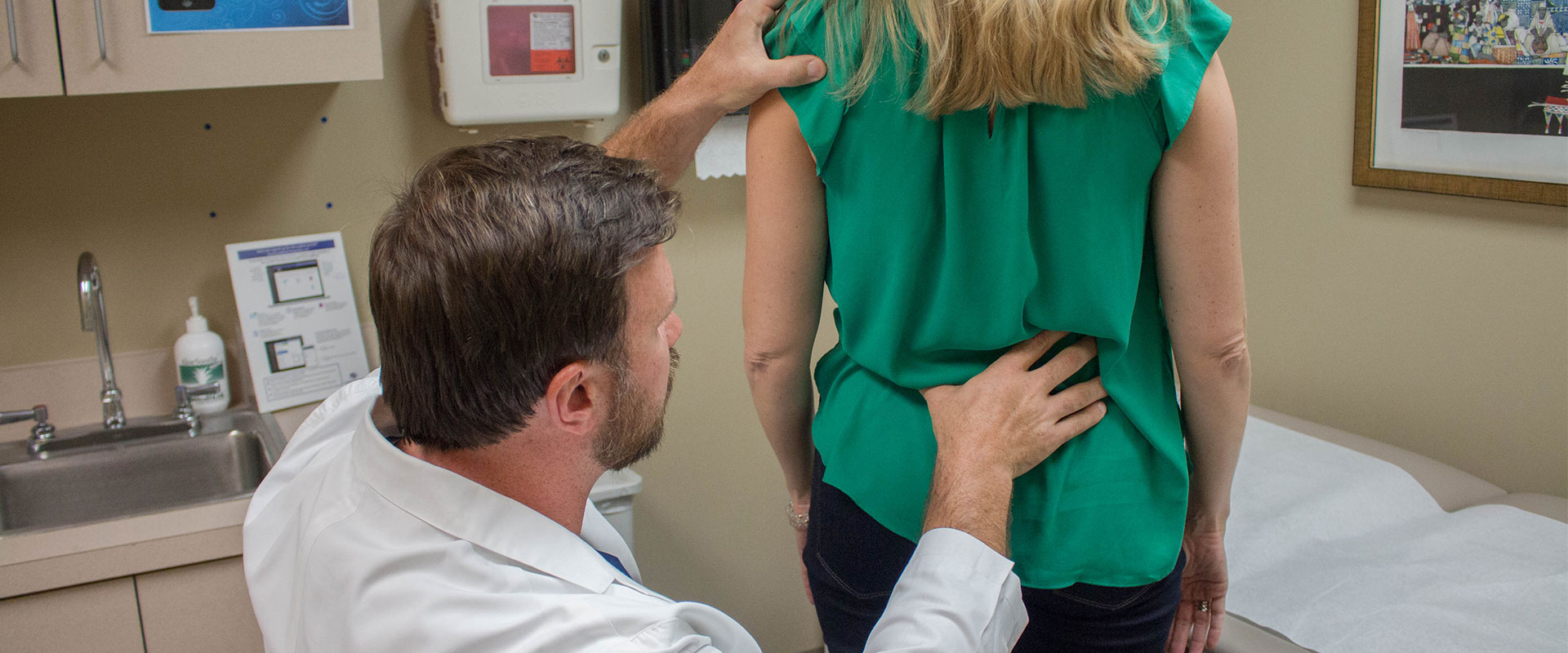
Whether you’re painting ceilings, stocking shelves, installing wiring, or repeatedly lifting boxes overhead, your shoulders bear a lot of stress. Over time, those repetitive movements in the workplace can lead to pain, inflammation, and a condition known as shoulder impingement syndrome. This condition, according to one of Southlake Orthopaedics’ orthopedic surgeons, Dr. Jonathan Isbell, happens gradually over time, so you may not even realize you have developed an issue until it manifests into real, daily pain.
What is Shoulder Impingement?
According to Dr. Isbell, shoulder impingement occurs when the top of the humerus bone pinches up against the roof of the shoulder joint, known as the acromion. “The acromion is a part of the shoulder blade, and when you reach overhead, the shoulder comes up and pinches the structures between those two bones, which includes the rotator cuff tendons and subacromial bursa,” Dr. Isbell explains, “This occurs when people repetitively perform overhead motions, and this repeated pitching leads to inflammation in the tissue and can lead to injuries such as bursitis or more significant issues like rotator cuff tearing, which can sometimes require surgery.”
When Shoulder Pain Becomes More Than Just Soreness
That little twinge you feel in your shoulder each time you work overhead is such a part of your daily life that you may be used to ignoring it. But, according to Dr. Isbell, there are some symptoms that you shouldn’t ignore.
“Vague shoulder pain is usually the first sign that there is shoulder impingement taking place. The pain may radiate down the side of the arm, even all the way down to the elbow, so it’s not going to be necessary way up in the shoulder.” He explains, “Pain at night is also a very, very common symptom, so patients may have difficulty getting to sleep or staying asleep.”
Other symptoms include pain when lifting the arm overhead, reaching behind the back, or lifting objects, as well as reduced range of motion and shooting pains in the arm. Dr. Isbell emphasizes, “One symptom patients should never ignore is weakness in the arm. That is a sign that the problem has become significantly worse and may require surgery to correct.”
Who Is Most Likely to Be Affected by Shoulder Impingement?
Not all jobs lead to shoulder impingement. “People who regularly perform overhead movements—think painters, electricians, mechanics—people who are having to frequently hold their arms over their heads for prolonged periods of time are at highest risk for this condition.” Additionally, this condition is more likely to affect older individuals. “It tends to be a little more common in middle age ranges, so people in their forties to sixties or above.”
Dr. Isbell also says, “Although this is not really a modifiable issue, the shape of the acromion bone is critically important. Some people have a very flat bone, which gives you a lot of breathing room, while other people may have a bit of a spurring of that bone which causes it to slope down, narrowing the space between the two bones and putting those people at a much higher risk for impingement.”
What Are the Treatment Options for Shoulder Impingement?
Dr. Isbell says that there are several treatment options for shoulder impingement that don’t immediately require surgery. “Every time a patient comes in with shoulder pain, we first get an X-Ray of the shoulder to rule out other causes, such as arthritis or fractures in the shoulder area. This also lets us look at the shape of that bone to determine if there is a significant amount of spurring that is causing that shoulder pain.”
Dr. Isbell also stresses that physical examination is critical to determining treatment options. “For instance, if a patient comes in and they’ve got some shoulder pain, but their rotator cuff is good and strong, and they’ve got good motion, the odds are they are going to be okay with less invasive options like a corticosteroid injection, anti-inflammatories, and physical therapy.”
If someone has concerning signs during the physical examination, those treatment options change. “Say the patient’s x-ray shows a big spur and they’ve got significant pain lifting their arm, coupled with a lot of weakness—I will usually start with an MRI because they could very likely have a rotator cuff tear. How you manage that doesn’t always require surgery, but it also gives you some prognostic value on the healing times expected and helps guide treatment, whether it’s surgical or nonsurgical.”
Preventing Shoulder Injuries on the Job
Dr. Isbell’s number one piece of advice is not to ignore troubling symptoms. “You don’t have to go see an orthopedic surgeon the first day you have shoulder pain, but if you’re having persistent symptoms like pain at night, pain when lifting your arms, and things like that, it’s worth looking at more closely with a specialist to know what you’re dealing with and to get some personalized advice.”
Dr. Isbell also notes that just like eating healthy and staying in shape, we need to do that with our rotator cuffs as well. “As we age, our rotator cuffs are at much higher risk of getting pathology such as tears, and that is something you want to address before it happens. One of the best ways you can do that is good rotator cuff exercises.” It is also important to always utilize proper lifting techniques and to take frequent breaks during repetitive work to minimize pain.
How Southlake Orthopaedics Can Help
If you’ve noticed that your shoulder pain is getting worse, it’s time to see a specialist for treatment options. Our orthopedic specialists at Southlake Orthopaedics are board-certified experts at providing top-notch shoulder care. They take the time to explain what’s happening with your shoulder, answer your questions, and build a treatment plan around your specific goals and lifestyle so you’ll always be in the know about your treatment options. If you’re ready to start living with less pain, schedule an appointment online or call us at 205-985-4111 for our location in Hoover or 205-985-4111 for our Grandview Location in Birmingham.