Shoulder Labral Tear

Understanding Shoulder Conditions and Available Treatments

Shoulder Labral Tear Treatment Near You in Hoover and Birmingham, Serving Central Alabama

A shoulder that clicks, catches, or feels like it might slip out of place isn’t something to wait out. Those symptoms can point to a labral tear, and getting the right diagnosis early helps you recover faster. At Southlake Orthopaedics, our board-certified specialists help patients across central Alabama understand their shoulder injuries and find the best treatment possible. With locations in Hoover and Birmingham-Grandview, Alabama, we are here when you’re ready to get answers and get back to feeling like yourself. Learn more about our shoulder labral tear treatment options near you in Alabama.

Key Takeaways

  • The labrum is a ring of cartilage that helps keep your shoulder stable. A tear in the tissue can cause pain, instability, and a clicking or catching sensation.
  • Labral tears can happen from a fall, dislocation, or build up gradually through repeated activity.
  • Treatment ranges from physical therapy and injections to arthroscopic surgery, depending on the type and severity of the tear.
  • Southlake Orthopaedics offers comprehensive shoulder evaluation and customized treatment plans.
What Is a Shoulder Labral Tear?

A shoulder labral tear occurs when cartilage surrounding the shoulder socket is damaged. The shoulder is a ball-and-socket joint that gives you a wider range of motion than other types of joints. The labrum is a ring of cartilage that surrounds the socket and helps keep the ball of the upper arm securely in place.

Cartilage damage can affect both the stability and movement of your shoulder, depending on where the tear is and its size.

There are different types of labral tears, including tears that occur at the top of the labrum where the biceps tendon attaches and tears that affect the front-bottom portion of the labrum. This type is associated with shoulder dislocations. When the shoulder pops out of the socket, the anterior labrum is often torn in the process.

Labral tears can be related to rotator cuff injuries or other shoulder instabilities, so you should see a doctor if you have shoulder pain.

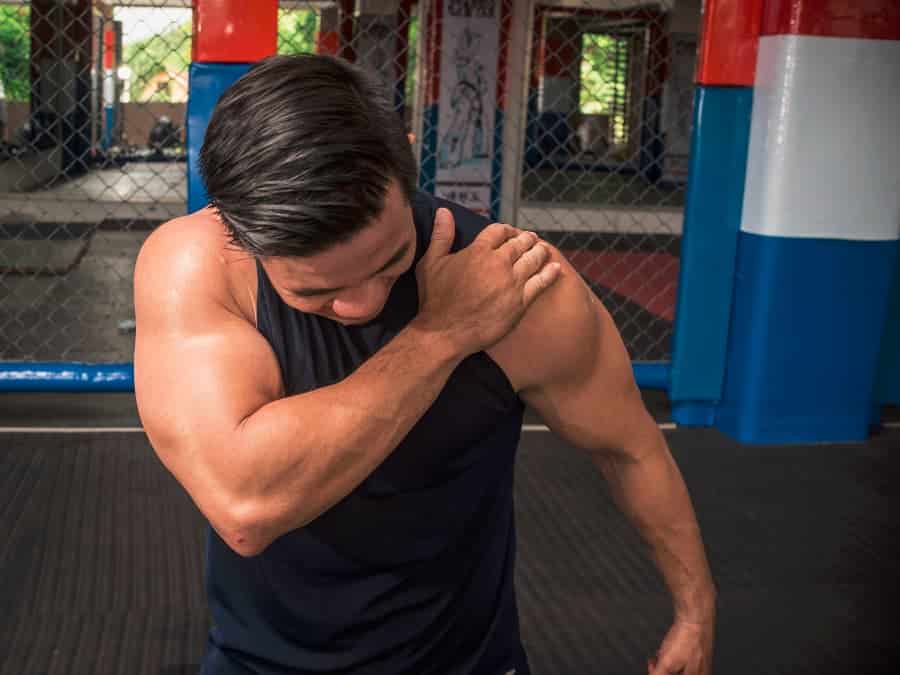
Bodybuilder grabbing back of shoulder while in gym

What Are the Symptoms of a Shoulder Labral Tear?

Symptoms can vary depending on the type and severity of the tear. Some people notice a sudden onset after an injury, while others develop symptoms gradually. Common signs you may have a shoulder labral tear include:

  • Deep shoulder pain that’s often hard to pinpoint
  • A catching, locking, or grinding sensation
  • Weakness or reduced strength in the shoulder
  • Pain with overhead movements or lifting
  • A feeling that the shoulder may give out
 

In some cases, your range of motion may also be limited. You may notice that reaching, throwing, or carrying objects is more difficult. Because these symptoms can overlap with other shoulder conditions, you should contact your doctor. A proper diagnosis is essential to ensure you get the right treatment.

Swimmer in pool

What Are the Causes and Risk Factors of Shoulder Labral Tears?

Labral tears can occur in several ways. Some result from a specific injury, while others develop gradually due to repeated stress. The most common causes of shoulder tears include:

  • Sudden trauma, such as a fall or direct blow to the shoulder
  • Shoulder dislocations or instability
  • Repetitive overhead motions in sports, like baseball, swimming, or tennis
  • Heavy lifting or pulling movements
  • Age-related wear and tear of the cartilage
 

Certain factors can also increase your risk. For example, athletes who perform repetitive motions are especially prone to labral injuries. Additionally, if your job requires frequent overhead lifting or forceful arm use, it can also contribute. In many cases, a combination of both stress and mechanics leads to the tear.

How Is a Shoulder Labral Tear Diagnosed?

Diagnosing a labral tear requires a detailed and thorough evaluation. At Southlake Orthopaedics, the process begins with a discussion of your symptoms, activity level, and any recent injuries. During the physical exam, your doctor will assess your:

  • Range of motion and flexibility
  • Shoulder strength
  • Joint stability
  • Pain during specific movements
 

Our team performs diagnostic tests, including the apprehension and relocation tests for instability, to help identify which part of the labrum is torn. Then, we use imaging to confirm our findings. Magnetic resonance imaging (MRI) scans with contrast provide detailed images of the labrum and the surrounding structures. We may also use X-rays to rule out other issues.

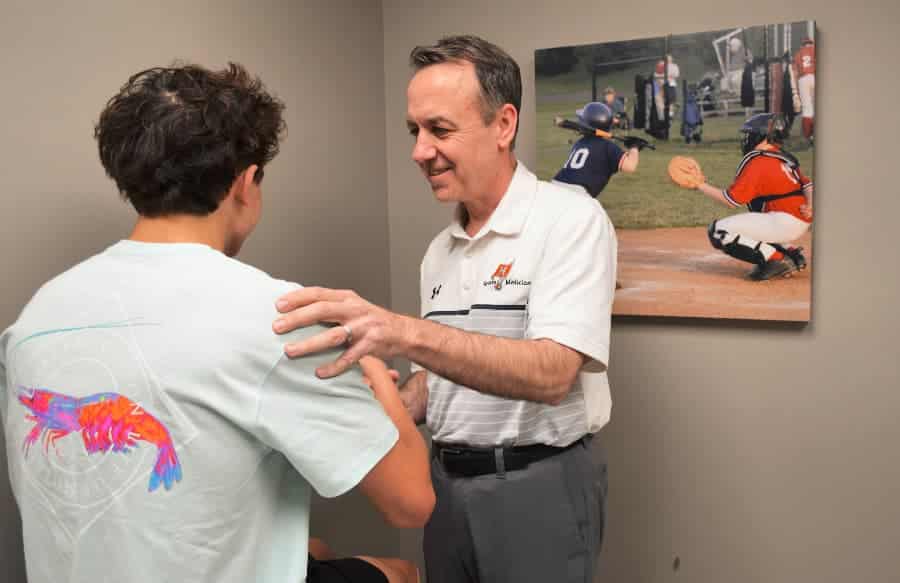
Dr Michael Ellerbusch examining patient for labral tear
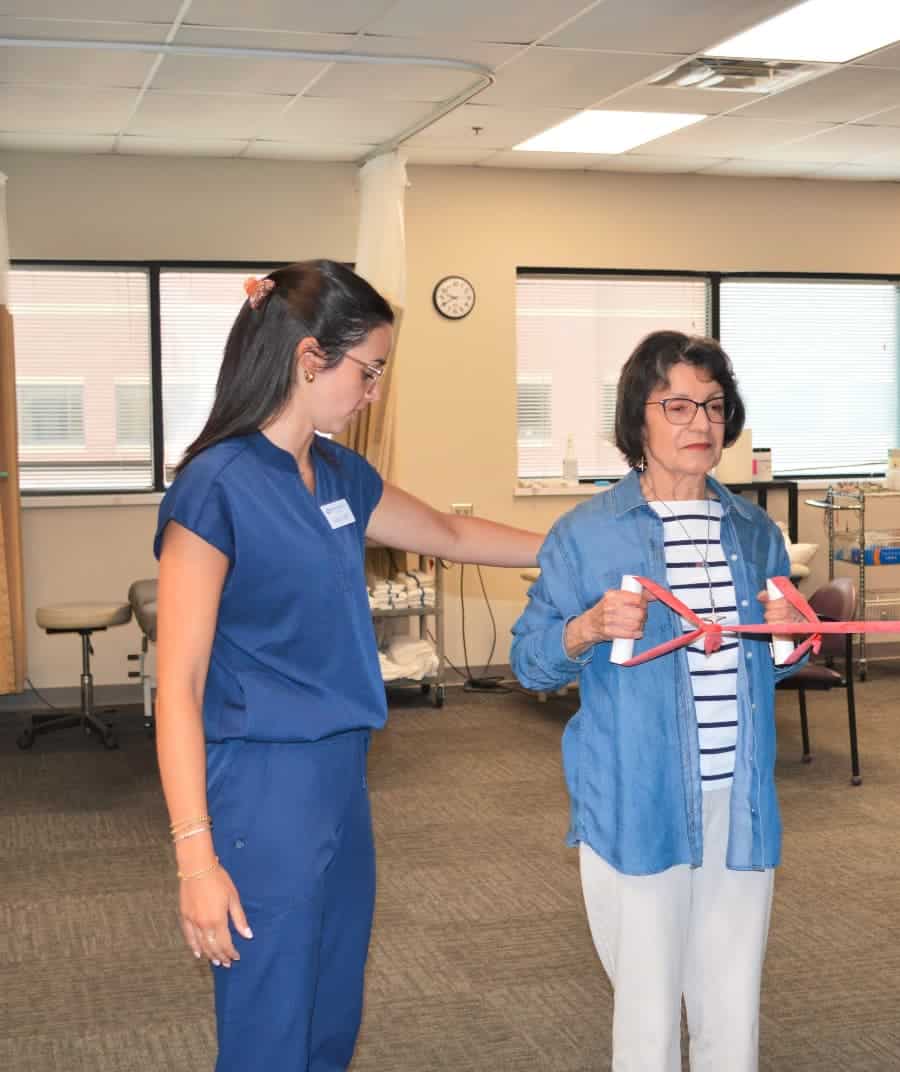
Southlake Orthopaedics Physical Therapist treating patient after labral tear

What Are the Treatment Options for Shoulder Labral Tears?

Once we have confirmed your diagnosis, we’ll create a personalized treatment plan based on the severity of the tear, your activity level, and how much your symptoms impact your daily life. At Southlake Orthopaedics, most of our patients improve on their own without surgery.

We start by focusing on reducing your pain and improving your shoulder function. Often, we suggest activity modification and recommend that you avoid swimming, playing tennis or baseball, or lifting heavy objects until your symptoms improve.

Then, we design a physical therapy plan to help you rehab your injury. In this structured program, we work on:

  • Strengthening the muscles around your shoulder
  • Improving joint stability
  • Restoring proper movement patterns
 

These changes reduce stress on the labrum, which helps support your healing. In addition, we may include anti-inflammatory medications and injections to reduce pain and inflammation during your recovery.

If your symptoms persist or worsen after a few months of conservative treatment, we’ll discuss your surgical options with you. Arthroscopic surgery can repair or remove damaged tissue and restore your joint stability. This minimally invasive procedure is done at our on-site clinic, and you can often go home the same day.

Meet Our Team

Southlake Orthopaedics has been a trusted name in orthopedic care in central Alabama for more than 30 years. Our board-certified specialists cover every aspect of shoulder care, from diagnosing the source of a nagging ache to performing complex reconstructions. Additionally, our collaborative team-based approach to patient care means that our orthopedists work with our sports medicine professionals and surgeons to design a care plan that meets your needs. Learn more about our team below:


With access to advanced diagnostics, our patients receive the best possible care. Our goal is to provide long-term results that support your lifestyle.

Find Shoulder Labral Tear Treatment Near You in Alabama

Shoulder labral tears can affect your ability to move, work, and stay active. Early treatment from Southlake Orthopaedics can help reduce your symptoms and prevent further joint damage. With two convenient locations in central Alabama, you can receive expert, compassionate care close to home. Contact us today to schedule an appointment near you in Hoover or Birmingham-Grandview, AL.

Frequently Asked Questions About Shoulder Labral Tears

Can a labral tear heal on its own?

Some minor tears can improve with non-surgical treatment. However, if your pain is worsening or there’s significant structural damage, you may need surgery.

How long does recovery take after labral tear treatment?

Recovery from a shoulder labral tear varies. With non-surgical treatment, you may heal in weeks to months. If you have surgery, it may take several months to feel better.

Is surgery always necessary for a shoulder labral tear?

No. Many patients improve with conservative care. We only recommend surgery when your symptoms continue or if you have significant shoulder instability.

What activities should I avoid if I have a labral tear?

You should limit overhead movements, heavy lifting, swimming, throwing, or any activities that cause pain.

How do I know if my shoulder is dislocated or if I have a labral tear?

If your shoulder is dislocated, you’ll notice it visibly popping out of your socket and significant pain. A tear often presents as instability, clicking, or a deep ache. If you notice any concerning symptoms, reach out to your doctor promptly to get an accurate, timely diagnosis.