Golfer’s Elbow

Understanding Elbow Conditions and Available Treatments

Golfer’s Elbow Treatment Near You in Alabama

Elbow pain can make daily tasks harder than they should be. Simple movements like gripping, lifting, or even shaking hands can become uncomfortable. For many people, this pain is caused by golfer’s elbow. At Southlake Orthopaedics in Hoover and Birmingham, Alabama, patients receive expert care for elbow pain, injuries and chronic joint conditions. If your elbow symptoms aren’t improving, it may be time to get them evaluated. Learn more about our orthopedics care, including treatments for golfer’s elbow, near you in in Hoover and Birmingham-Grandview, Alabama.

Key Takeaways

  • Golfer’s elbow is caused by overuse of the forearm muscles and tendons.
  • Pain is typically felt on the inner side of the elbow.
  • Symptoms often worsen with gripping or wrist movement.
  • Most cases improve with non-surgical treatment and activity changes.
Golfer with golfer’s elbow holding painful elbow

What Is Golfer’s Elbow?

Golfer’s elbow, medically known as medial epicondylitis, is a condition that causes pain and inflammation where the forearm muscles attach to the inner part of the elbow. These muscles grip, flex the wrist, and rotate the forearm.

Despite the name, golfer’s elbow isn’t limited to golfers. It can affect anyone who repeats the same arm and wrist motions over time. This includes athletes, workers in manual trades, and people who perform repetitive tasks at a desk.

While it’s often compared to tennis elbow, golfer’s elbow is a distinct condition. Golfer’s elbow causes pain on the inner (medial) side, while tennis elbow affects the outer (lateral) side. Both result from overuse, but the specific tendons involved are different. At Southlake Orthopaedics, we perform comprehensive diagnostic testing to identify which condition is causing your symptoms, so we can create a proper treatment and rehabilitation plan.

What Are the Symptoms of Golfer’s Elbow?

Like most chronic pain conditions, symptoms of golfer’s elbow develop gradually. At first, you may notice mild discomfort that comes and goes. However, over time, the pain can become more persistent and interfere with your daily life. Common symptoms include:

  • Pain or tenderness on the inner side of the elbow
  • Stiffness, especially when bending the arm
  • Weak grip strength
  • Discomfort that worsens with wrist flexion or gripping motions
 

In some cases, pain may extend down the forearm. You may also feel increased discomfort while lifting heavy objects, typing, or using tools. Most systems are subtle at first, which makes them easy to ignore. However, getting medical attention early can help prevent your condition from worsening.

What Are the Causes and Risk Factors of Golfer’s Elbow?

Golfer’s elbow develops when repetitive stress damages the tendons that connect the muscle to the bone. This stress leads to small tears, inflammation, and pain over time. Several factors can contribute to golfer’s elbow, including:

  • Repetitive wrist and forearm motions, especially gripping or flexing
  • Sports, such as golf, baseball, or tennis
  • Jobs that involve manual labor, like construction or plumbing
  • Poor technique while lifting
  • Inadequate warm-up or conditioning before exercising
 

Certain physical factors also increase your risk. If you have weak forearm muscles, limited flexibility, or improper workout equipment, it can put additional strain on your elbow. Because golfer’s elbow can be caused by both overuse and mechanics, addressing both is important for your long-term recovery.

How Is Golfer’s Elbow Diagnosed?

At Southlake Orthopaedics, diagnosis of golfer’s elbow begins with a detailed physical exam and discussion of your symptoms. A clear diagnosis ensures you receive the right treatment from the start. Your provider will evaluate:

  • The location and severity of your pain
  • Any tenderness along the inner elbow
  • Your range of motion and strength
  • How your symptoms change with specific movements
 

This hands-on assessment is often enough for your doctor to diagnose golfer’s elbow. However, if your symptoms are severe or aren’t improving, they may recommend imaging. X-rays can rule out other conditions, while magnetic resonance imaging (MRI) scans can help evaluate any soft tissue damage. These tools help confirm your diagnosis and help your doctor create a treatment plan tailored to your needs.

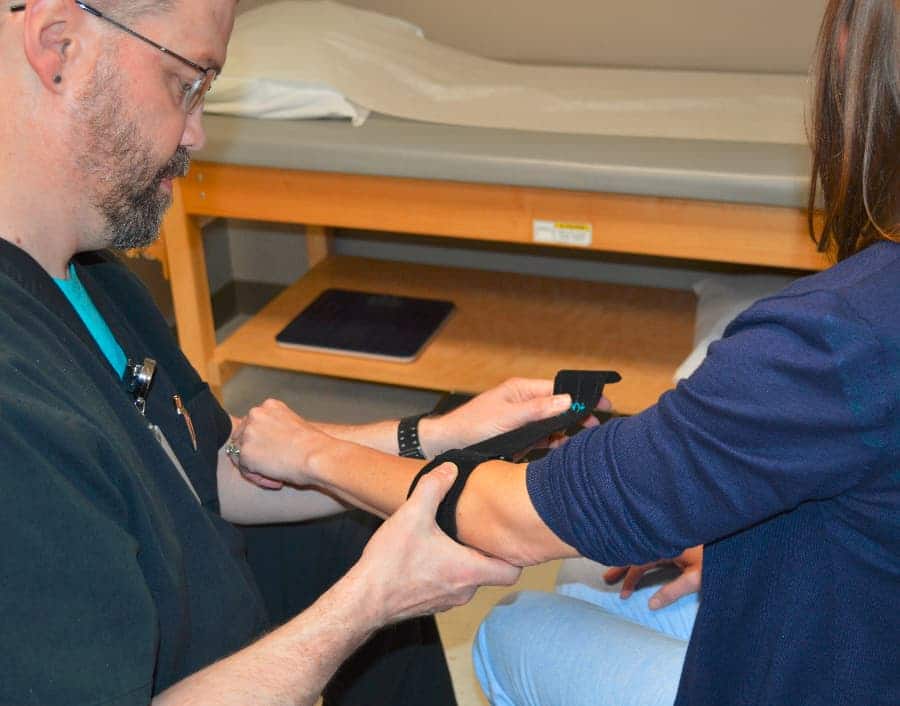
Dr. Michael Smith examing patient for golfer’s elbow
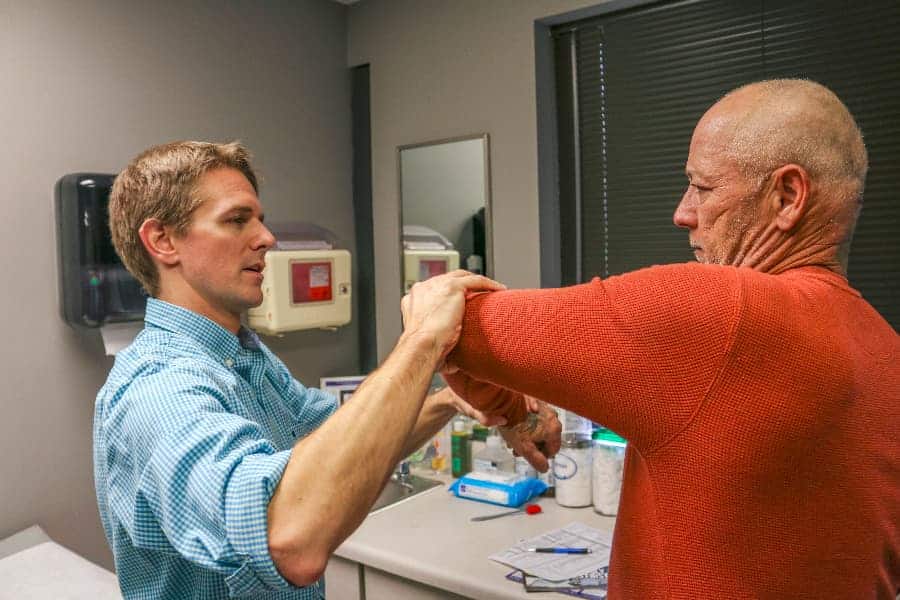
Southlake Orthopaedics doctor providing golfer's elbow treatment

What Are the Treatment Options for Golfer’s Elbow?

Most cases of golfer’s elbow improve with non-surgical treatment. The goal is to reduce your pain, promote your healing, and prevent the condition from returning. Treatment often begins with rest and modifying your activities. This means reducing or avoiding movements that trigger your pain, especially repetitive gripping or lifting.

As your symptoms improve, your doctor may recommend physical therapy. A structured rehabilitation plan helps restore your strength and flexibility while easing you back into your normal routine. This may include:

  • Stretching exercises to improve your mobility
  • Strengthening exercises for the forearm and wrist
  • Gradual increase in reps and exercises to prepare you for a return to normal activity
 

The goal of physical therapy is to help you adjust your technique, ensuring proper ergonomics when lifting or golfing, which can help address the root cause of the problem. If your symptoms don’t improve, your doctor may also recommend anti-inflammatory medications, a brace or forearm strap, or corticosteroid injections for pain relief. While needing surgery is rare, your doctor may consider it if your symptoms don’t improve with conservative care.

Meet Our Team

When elbow pain interferes with your life, getting experienced care matters. Southlake Orthopaedics provides specialized treatment for joint conditions and sports injuries, with a focus on lasting results. Our patients choose us because of our team of experienced specialists, personalized treatment plans, access to advanced diagnostic tools, and our focus on recovery and prevention.

With us, care is designed around your goals. Whether you want to return to sports, stay active at work, or move without pain, our team is committed to helping you get there. We take a collaborative approach to patient care, which is why our team is made up of board-certified physicians and other medical professionals with multiple specialties, including sports medicine, orthopedics, surgery, and more. Meet our team here:

Find Treatment for Golfer’s Elbow Near You in Alabama

Golfer’s elbow can affect your ability to work, exercise, and manage everyday tasks. The sooner you address it, the easier it is to treat. With locations in Hoover and Birmingham-Grandview, AL, we proudly provide patients with expert, patient-focused care. If your elbow pain is persistent or getting worse, contact us today to schedule an appointment near you in central Alabama.

FAQ About Golfer’s Elbow

How long does golfer’s elbow take to heal?

Most cases improve within a few weeks to a few months with proper treatment, depending on their severity.

Can golfer’s elbow go away on its own?

Yes, mild cases may improve with rest. However, if you have ongoing symptoms, you might need treatment for the condition to fully heal.

Is it okay to keep working or exercising with golfer’s elbow?

You can stay active. However, you should avoid movements that cause pain. Modifying your activity level is essential.

What’s the difference between golfer’s elbow and tennis elbow?

Golfer’s elbow affects the inner side of the elbow, while tennis elbow affects the outer side. Both are caused by overuse, but they involve different tendons.