Ulnar Collateral Ligament (UCL) Injuries

Understanding Elbow Injuries and Available Treatments

UCL Injury Treatment Near You in Hoover and Birmingham, Serving Central Alabama

Sports involvement is healthy and can be highly rewarding. When a wrong move results in pain, however, people may feel discouraged about the activities they love. Southlake Orthopaedics can help. We provide comprehensive sports medicine treatment, including elbow care, near you in Hoover and Birmingham-Grandview, serving the central Alabama area. Our multi-specialty team addresses traumatic and overuse injuries, including ulnar collateral ligament (UCL) injuries, to help patients achieve less pain, more living.

What Is the Ulnar Collateral Ligament (UCL)?

The ulnar collateral ligament, commonly referred to as the UCL, is a thick band of connective tissue located on the inside of the elbow. It connects the humerus, or the upper arm bone, to the ulna, one of the bones in the forearm. Its job is to support the elbow and hold the joint in place. The UCL resists strong forces to prevent overextension when throwing or performing overhead movements.

What Is a UCL Injury?

UCL injuries occur when the ulnar collateral ligament (UCL) becomes stretched or torn. UCL injuries are classified in three grades depending on how severely the ligament is damaged:

  • Grade 1: The ligament is stretched but not torn.
  • Grade 2: The ligament is partially torn.
  • Grade 3: The ligament is completely torn through.

Rarely, a torn UCL will also pull away a small piece of bone. This is known as an avulsion fracture.
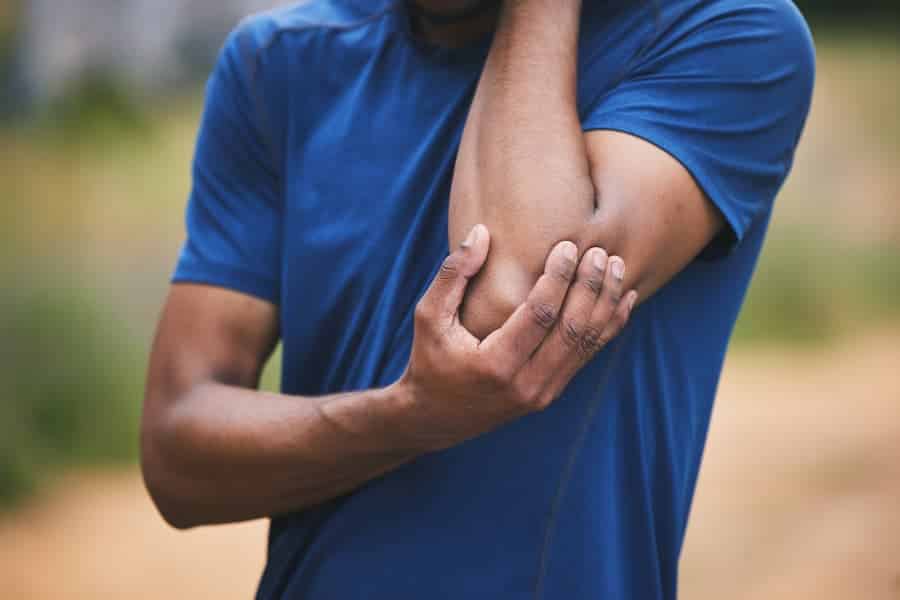
Active individual experiencing elbow pain

UCL Injury Symptoms

Symptoms of a UCL injury depend on its grade. Low-grade injuries cause less pain, and the patient may retain some use of their arm. Patients with a Grade 1 or 2 UCL injury may experience:

  • Pain and tenderness on the inside of the elbow
  • Pain that worsens during or after overhead throwing
  • Pain that worsens when quickly moving the arm forward
  • An inability to throw as hard as usual
  • Feelings of instability or weakness in the elbow
  • A weakened hand grip


Grade 3 UCL injuries are much more severe. The pain they cause is more intense, and the patient may experience a significant loss of function. Symptoms include:

  • Severe pain on the inside of the elbow
  • A sudden popping sound or sensation inside the elbow
  • An inability to throw
  • Tingling or numbness in the pinky or ring fingers


Though UCL injuries interfere with sports that involve throwing, they are unlikely to affect daily life. Patients can still carry a bag of groceries, lift weights, run, or perform non-throwing activities.

UCL Injury Causes and Risk Factors

The majority of UCL injuries are caused by overuse. Repeated stress causes the ligament to gradually break down, causing increasing pain and a decline in competitive ability. For some patients, however, the injury is caused by acute trauma. The athlete feels a sudden pop or snap in their elbow while throwing, followed by pain and loss of function.

The greatest risk factor for UCL injuries is arm mechanics. Powerful overhead throws are not a natural force for the elbow to withstand. Using proper technique and maintaining good arm strength and flexibility are crucial to avoiding injury.

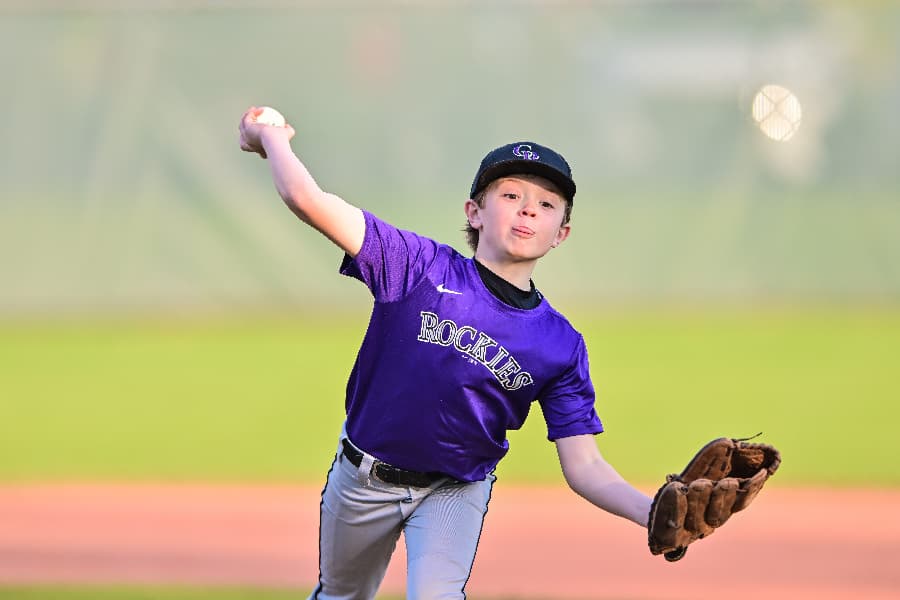
Youth baseball player throwing baseball

Diagnosing UCL Injuries

UCL injury treatment begins with diagnosis. The physician performs a thorough physical examination and a review of the patient’s medical history. They may also ask questions about the patient’s training schedule and goals to plan a treatment approach based on the patient’s preferences.

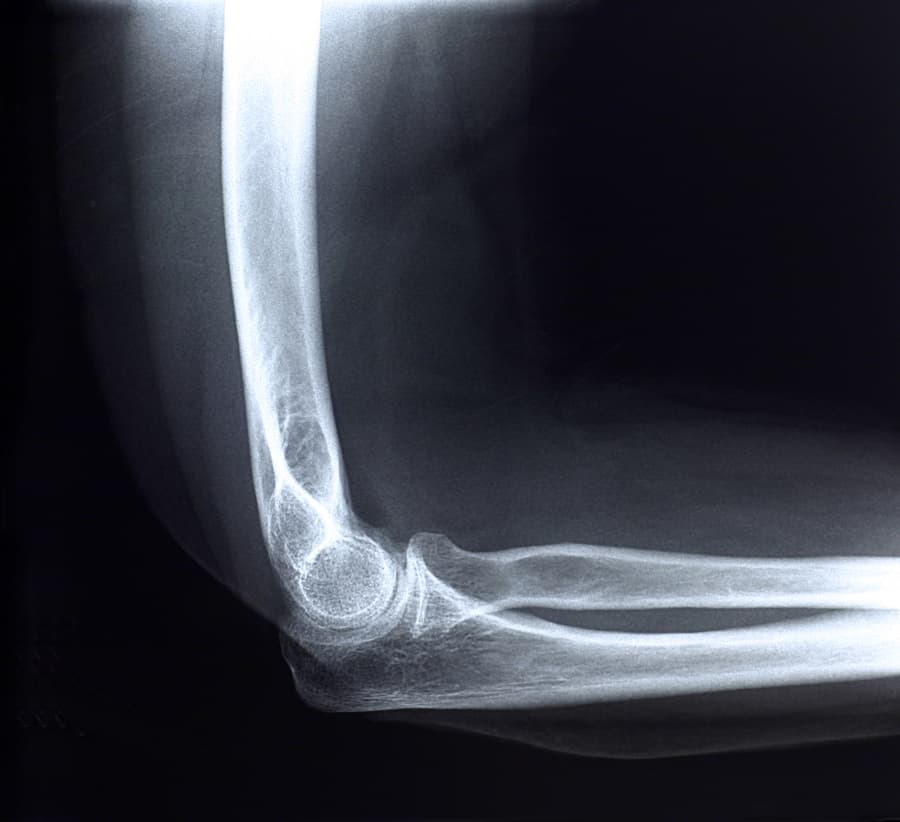
The physical exam is usually followed by imaging tests. X-ray imaging is used to rule out other injuries, such as a fracture. It may also reveal calcium build-up typical of an overuse injury. Magnetic resonance imaging (MRI) is used to examine the soft tissue. It can tell the physician where the tear is located and whether the ligament is partially or completely torn.

X-ray of elbow and forearm to help diagnose a UCL injury

Treatment Options for UCL Injuries

Treatment for a UCL injury depends on a variety of factors, including the patient’s age and overall health, their goals for treatment, and the grade of their injury. Southlake Orthopaedics typically begins with conservative treatments such as rest, ice, or physical therapy. The physician may also recommend platelet-rich plasma (PRP) injections to help the ligament repair itself faster.

Severe injuries may be treated with reconstructive surgery. The procedure involves trimming ragged edges before reconnecting the torn ligament. Graft tissue may be used if the ligament is too damaged to reattach. The graft provides a scaffold for the ligament to grow upon.

Meet Our Team

Southlake Orthopaedics prides itself on providing comprehensive sports medicine care, supporting patients at every stage from diagnosis through treatment and complete rehabilitation. This approach is made possible by our multi-specialty team that includes orthopedic physicians, surgeons, physical therapists, and other specialists. Meet our sports medicine doctors below:

Find Comprehensive Treatment for UCL Injuries Near You in Alabama

UCL injuries should not keep you from playing the sports you love. Find less pain, more living at Southlake Orthopaedics. We are a multi-specialty orthopedic practice near you in central AL, serving patients at locations in Hoover and Birmingham-Grandview with state-of-the-art sports medicine treatments. Contact us to learn more or to schedule an appointment.