Elbow Replacement

Elbow Replacement Surgery for Various Conditions

Elbow Replacement Near You in Hoover and Birmingham, Serving Central Alabama

Elbow pain can make simple movements difficult. You may notice discomfort when lifting, pushing, or even turning your arm. Activities that once felt effortless, such as reaching for a glass, carrying groceries, or straightening your arm fully, can become difficult and painful. Over time, that pain can become constant and limit how you use your arm every day.

At Southlake Orthopaedics, patients across central Alabama receive care for elbow conditions that affect their movement and quality of life. When joint damage becomes severe and other treatments no longer help, elbow replacement may be an option. With locations in Hoover and Birmingham-Grandview, Alabama, we are here when you’re ready to get answers and get back to feeling like yourself. Learn more about how we can help you reduce your pain and restore function with elbow replacement surgery.

Key Takeaways

  • Elbow replacement removes the damaged joint surfaces of the elbow and replaces them with an artificial implant to reduce your pain and restore the elbow’s normal motion.
  • While it is less common than hip or knee placements, elbow replacement surgery can be an effective treatment for severe rheumatoid arthritis, complex fractures, and end-stage osteoarthritis.
  • After surgery, you’ll have long-term lifting restrictions.
  • Southlake Orthopaedics offers comprehensive elbow evaluation and treatment for patients across central Alabama.

How Is the Elbow Structured?

The elbow is made up of three bones. There are the upper arm bone (humerus) and two forearm bones (the ulna and radius). These bones work together to let you bend, straighten, and rotate your arm. The joint surfaces are covered with cartilage, which cushions movement and reduces friction. When the cartilage wears down because of arthritis, injury, or certain inflammatory diseases, bones begin to contact bones. This can result in painful and restricted movement.

This type of joint damage can develop over time from arthritis or occur after a serious injury. As the condition progresses, the joint may lose its ability to move smoothly. When that happens, an elbow replacement goes further than simply helping you manage your symptoms. It can restore your elbow’s function.

Person in t-shirt grabbing bent elbow outdoors

What Is Elbow Replacement?

Elbow replacement, also called total elbow arthroplasty, is a procedure that removes damaged portions of the elbow joint and replaces them with artificial components. The implant used in elbow replacement often consists of a metal and plastic hinge that connects stems secured into the humerus above and the ulna below. This creates a stable, artificial joint surface that allows the elbow to move without grinding. These implants recreate the natural hinge motion of the elbow, allowing it to move with less pain.

How Do You Know If You Need an Elbow Replacement?

Elbow pain doesn’t always mean you need surgery. In many cases, you can manage your symptoms on your own with medication, bracing, or physical therapy. However, when those conservative treatments stop working, surgery may be the next step. And it’s something you should consider.

Early on, you may notice pain when lifting, gripping, or using your elbow repeatedly. Over time, your symptoms can worsen. You should talk to your doctor if you experience any of the following:

  • Elbow pain when you’re not using your arm
  • Pain that persists throughout the day and interferes with your sleep
  • Stiffness that makes it hard to fully bend or straighten your arm
  • Difficulty with everyday tasks, such as lifting objects or reaching for your phone
 

As these symptoms progress, your elbow’s function becomes limited. You may notice weakness or instability when moving your arm. You may find yourself adjusting how you use your arm to avoid certain positions or avoiding activities you used to love. If elbow pain or loss of motion is starting to affect your daily life, it’s time to make an appointment with your doctor.

How Do Doctors Decide When You Need an Elbow Replacement?

Deciding whether you need an elbow replacement starts with understanding your symptoms and how damaged your elbow is. At Southlake Orthopaedics, this process begins with a detailed discussion about your pain, activity level, and how your symptoms have changed over time. When we know what you’ve already tried and how well it worked, we can determine the next steps.

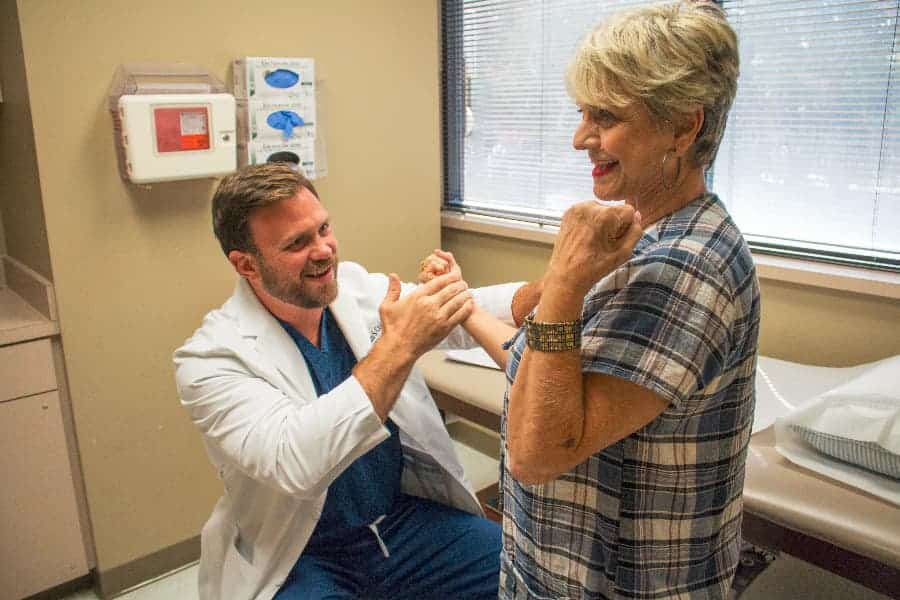
We start with a physical exam. This examination helps us evaluate how your elbow is functioning. Your doctor will check your range of motion, strength, and stability. They’ll also move your arm into various positions to identify which movements cause you pain. This helps us determine how much your elbow is limiting your ability to move.

This evaluation also includes an assessment of your ulnar nerve, which runs along the inner side of the elbow and can be affected by arthritis or an elbow injury. We want to know if there’s any damage to the nerve and if you’re experiencing any neurological symptoms, such as numbness or tingling in your ring or pinky finger.

Then we use imaging to confirm what is happening inside the joint. We use X-rays to get a clear view of your elbow’s structure and joint space. They also allow us to see any visible signs of arthritis or damage. In some cases, we may use additional imaging, such as magnetic resonance imaging (MRI) scans, to assess bone quality and soft tissue or tendon injuries.

This combined approach helps us determine the right treatment. By considering your symptoms, physical exam findings, and imaging results, your care team can determine whether an elbow replacement is the most effective treatment option for you.

Dr William Craig examining patient for elbow replacement

What Are Elbow Pain Treatment Options?

Elbow replacement is not a common procedure. And it’s not one we recommend right away. Often, we don’t even consider it until you’ve tried non-surgical options, such as:

  • Medication
  • Activity modification
  • Bracing
  • Physical therapy  


When those treatments no longer provide you with relief from the pain, surgery may offer a long-term solution.

The most common approach is total elbow replacement. This procedure replaces the damaged joint surfaces of the humerus and ulna with a hinged implant that allows the elbow to bend and extend more smoothly. However, if there’s not a lot of damage to your elbow, your doctor may perform a partial replacement.

Additionally, you’ll want to be prepared for the surgery and your recovery. Before surgery, your care team will review your medical history, complete pre-surgical testing, and make any medication adjustments if needed. They may also recommend a pre-surgical exercise routine to help strengthen the muscles surrounding your elbow, which can help boost your chances of having a successful outcome.

What Does Recovery Look Like After Elbow Replacement?

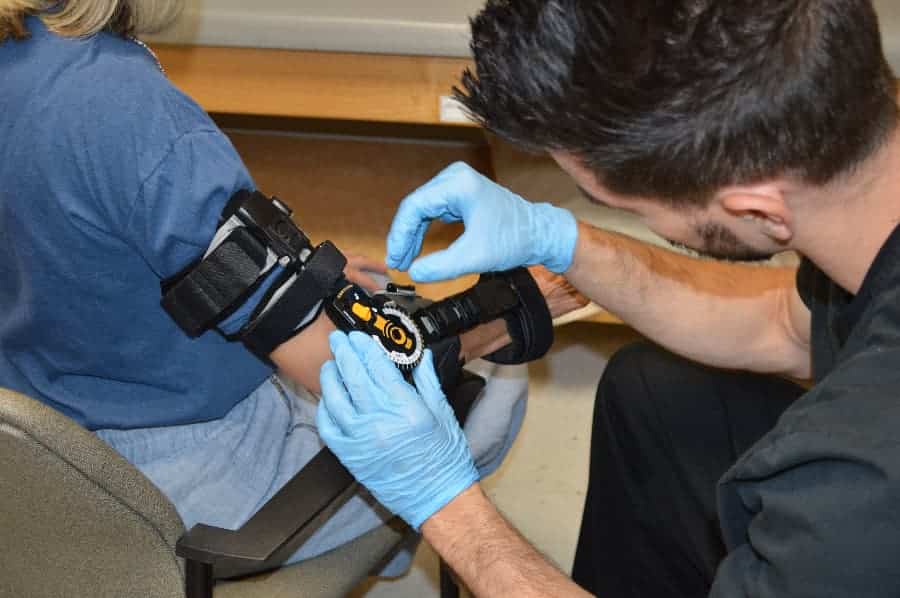
As with every surgery, recovery happens gradually. At Southlake Orthopaedics, our elbow replacements are outpatient, meaning you’ll go home the same day. After your surgery, your surgeon will place your arm in a splint, which you’ll have to wear for one or two weeks. This protects your arm and allows the soft tissue to heal. Keeping the arm elevated during this period helps reduce swelling.

Once we remove the splint, you’ll start working with a physical therapist who specializes in the hand and arm. These gentle range-of-motion exercises are important because they help keep your elbow from becoming stiff. As you heal, your therapist will add exercises to your routine that focus on improving your range of motion and strength.

You may experience temporary tingling or numbness in the ring and small fingers. This is normal during early recovery and is related to the ulnar nerve. It should resolve as your swelling decreases. Within the first few weeks, you’ll start to notice steady improvement. But it may take six months to a year to fully heal. If you keep up with your exercises, follow lifting restrictions, and attend your follow-up appointments, you should notice significant pain relief.

Elbow replacement bracing

Meet Our Team

At Southlake Orthopaedics, we know that choosing the right orthopedic care team is important when it comes to joint replacement. Our board-certified team takes a personalized approach to patient care, focusing on long-term outcomes backed by decades of experience. We design treatment plans based on your condition, goals, and how your symptoms affect your daily life. Every member of our team is here to support you throughout your recovery:


Our goal isn’t to just treat the joint. We want to help you move forward with less pain, so you can live better.

Find Elbow Pain Care Near You in Alabama

Elbow pain can gradually limit how you live and move, but it doesn’t have to stay that way. When your symptoms begin to interfere with your life, it may be time to explore other options. Southlake Orthopaedics can help. For over 30 years, we’ve provided expert care to patients across central Alabama. We offer guidance at every stage, from evaluation to recovery. If you’re looking for relief from your elbow pain, contact us today to schedule an appointment near you in Hoover or Birmingham-Grandview, AL.

Frequently Asked Questions About Elbow Replacement

How long does elbow replacement last?

Elbow replacements typically last 10 to 15 years, though many last longer with proper care. Adhering to lifting restrictions and attending your follow-up appointments can extend your implant’s functional lifespan.

Is elbow replacement common?

While it’s far less common than hip or knee replacements, elbow replacements are often used for traumatic injuries and severe arthritis.

How long is the recovery after elbow replacement?

Most patients see steady improvement within the first several weeks after surgery. However, full recovery can take six months to a year, depending on the extent of your injury, the complexity of the surgery, and your commitment to physical and occupational therapy.

Will I regain full motion after elbow replacement?

It depends. Most patients can move their elbow much better after surgery. However, you may not regain your full range of motion if your elbow was too severely damaged.

When should I consider elbow replacement?

If your pain is persistent, function is limited, and other treatments have stopped working, it may be time to discuss surgical options. Southlake Orthopaedics is here to help.