Foot/Ankle Tendonitis

Understanding Foot and Ankle Conditions and Available Treatments

Foot and Ankle Tendonitis Treatment Near You in Hoover and Birmingham, Serving Central Alabama

Foot tendonitis is inflammation in the tendons of the foot. The swelling makes it painful to walk or stand, limiting your ability to participate in sports and everyday life. Fortunately, it is very treatable. Patients who suffer from foot or ankle tendonitis can get less pain, more living at Southlake Orthopaedics. Located in Hoover and Birmingham-Grandview, our multi-specialty team provides quality orthopedics and sports medicine care for patients throughout central Alabama.

Key Takeaways

  • Foot and ankle tendonitis occurs when the tendons in the foot become inflamed, usually due to repetitive motions or overuse.
  • Symptoms of foot and ankle tendonitis include pain along the length of the tendon, pain that gets worse with physical activity, and stiffness after inactivity.
  • Foot and ankle tendonitis usually gets better with conservative care. If the tendonitis does not get better, surgery may be recommended.
  • Southlake Orthopaedics provides nonsurgical and surgical treatments for patients in central Alabama, helping people from all backgrounds get less pain, more living.

What Is Foot Tendonitis?

Foot and ankle tendonitis is inflammation of the tendons in the foot or ankle. The tendons are tough bands of tissue that connect muscles to bone, acting like pulleys to facilitate movement. The feet are complex body parts with over 100 tendons and ligaments per foot. Tendonitis can occur in any one of them, but most commonly affects key tendons such as:

  • Achilles tendonitis: This affects the tendon that connects the calf muscle to the heel bone, helping people stand on their toes.
  • Extensor tendonitis: This affects the tendons that run along the top of the foot and help extend the toes
  • Peroneal tendonitis: This affects one of the two tendons that run along the outer ankle, connecting to the midfoot to help with stability.
  • Posterior tibial tendonitis: This affects the tendon that connects the calf muscle to the bones on the inside of the foot, holding up the arch.
 

Foot tendonitis can feel very similar to plantar fasciitis. This related condition is caused by inflammation in a ligament, not a tendon, but produces the same types of symptoms.

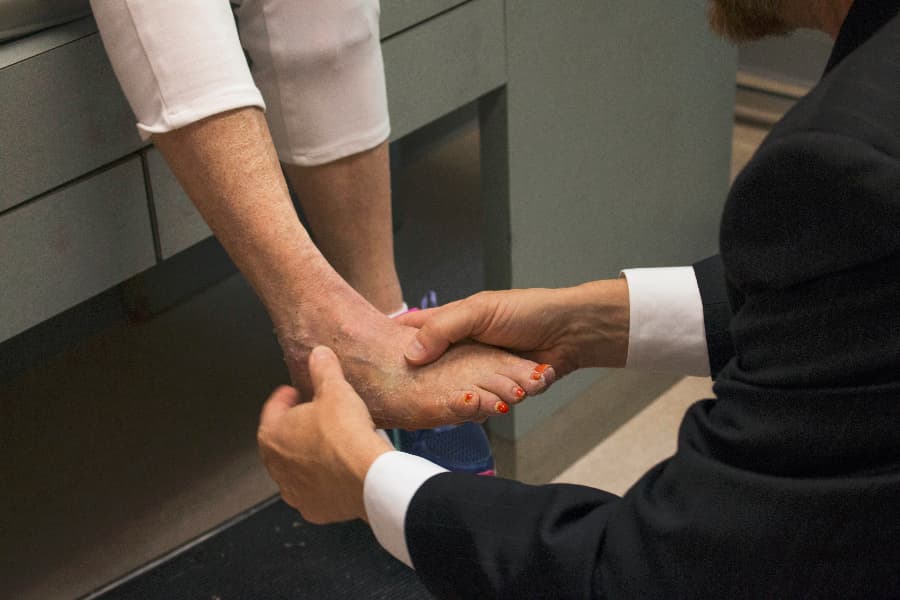
Dr. John S. Kirchner examining patient’s foot for tendonitis

What Are Symptoms of Foot and Ankle Tendonitis?

The symptoms of foot and ankle tendonitis build up slowly. Instead of appearing after an obvious injury or event, they start small and gradually get worse as the tendon becomes increasingly irritated. The patient may experience issues such as:

  • Pain along the length of the tendon
  • Pain that gets worse with physical activity
  • Stiffness after long periods of inactivity
  • Swelling, redness, or warmth
  • Thickening of the tendon
 

Where the pain is located depends on which tendon is injured. For example, Achilles tendonitis causes pain at the back of the ankle near the heel, while extensor tendonitis causes pain along the top of the foot. Severe and untreated tendonitis can lead to a tendon rupture. Patients should speak with a physician immediately if they can’t put weight on their foot or can’t move it in a certain direction.

Woman jogging on paved pathway

What Causes Foot and Ankle Tendonitis?

Foot and ankle tendonitis is usually caused by overuse. It develops over time due to repeated stress on the tendons in the foot, often in relation to sports. Frequent running, jumping, or explosive stop-and-start movements all create stress on foot and ankle tendons. Repeated stress is more likely to cause inflammation with:

  • Sudden ramp-ups in activity levels
  • Inadequate stretching in the lower leg
  • Inconsistent physical activity levels
  • Improper footwear
  • Being overweight
  • Flat feet
  • Previous foot and ankle tendon injuries
 

Proper pre- and post-workout stretching, improved footwear, and gradual and consistent increases in activity can help athletes avoid injury while participating in sports.

How Is Foot and Ankle Tendonitis Diagnosed?

To diagnose foot and ankle tendonitis, the Southlake Orthopaedics team begins with a physical exam. They review the patient’s symptoms and ask the patient to perform certain movements with the foot. They may also press on certain parts of the foot, ankle, or calf to check for areas of tenderness.

The physical examination is usually followed by an ultrasound. This medical imaging test uses sound waves to examine internal structures, and it is often the best method for examining soft tissues like tendons. The ultrasound shows physicians how the tendon moves and may identify degenerative changes that are contributing to the patient’s pain. An X-ray scan may also be requested if the physician suspects a bone may be fractured.

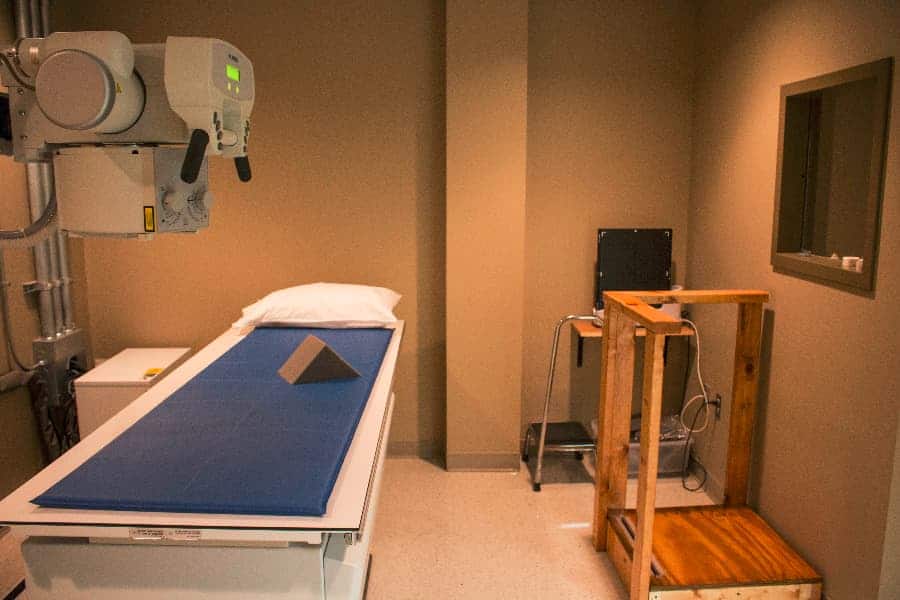
X-ray room at Hoover location

How Is Foot and Ankle Tendonitis Treated?

Most foot and ankle tendonitis will get better without surgery. Physicians start with conservative care options to relieve symptoms and help the tendon heal on its own. Conservative treatments for tendonitis may include:

  • Rest and activity modifications
  • Over-the-counter pain relief medications
  • Physical therapy
  • Orthotics or shoe inserts
  • Wearing a soft cast or boot
 

If the pain does not get better after six months of conservative treatments, then the physician may recommend surgery. A few approaches may be used depending on the injury’s cause and severity. If the inflammation is caused by flat feet or tight tendons, then the doctor may recommend gastrocnemius recession to lengthen the calf muscle. If the tendon is badly damaged, then the surgery may debride (clean) the damaged tissue or replace it with a healthy tendon from elsewhere in the foot.

Meet Our Team

When your career or hobbies are on the line, you want to get care from the best. Southlake Orthopaedics draws upon multiple specialties to deliver the highest level of care possible for our patients, helping them get back to the activities they love. Meet our foot and ankle specialists:

Get Treatment for Foot and Ankle Tendonitis Near You in Alabama

Don’t let foot pain keep you from enjoying your favorite activities. If foot and ankle tendonitis makes it difficult to stay active, get in touch with Southlake Orthopaedics. We are in Hoover and Birmingham-Grandview, AL, where we help patients get relief so they can resume their active lifestyles. Contact us today to learn more or schedule an appointment with a sports medicine specialist.

Frequently Asked Questions About Foot and Ankle Tendonitis

What is the difference between tendonitis and a tendon tear?

Tendonitis refers to inflammation in a tendon. The tendon is swollen and painful, but the tendon fibers are still intact. A tendon tear is a partial or complete break in the tendon fibers. Severe tendonitis can weaken the tendon fibers, increasing the risk of a tendon tear.

When should patients get evaluated for foot and ankle pain?

People should see a physician for foot and ankle pain if their symptoms last longer than one week, make it difficult to walk, or occur after a sudden injury. Visible deformity is also a warning sign that it’s time to seek medical care.

Is surgery required for foot and ankle tendonitis?

No, surgery is not usually required for foot and ankle tendonitis. Most patients can have a full recovery with conservative treatments such as rest, over-the-counter medications, and physical therapy. Surgery is only recommended for foot and ankle tendonitis if the symptoms do not get better after six months of nonsurgical care.

Can foot and ankle tendonitis be prevented?

Patients can reduce their risk of foot and ankle injuries, including tendonitis, by taking the appropriate precautions during physical activity. This includes:

  • Stretching before and after activity
  • Increasing activity levels gradually
  • Maintaining consistent activity levels
  • Wearing appropriate footwear
  • Losing weight

Can foot and ankle tendonitis come back after treatment?

Yes, foot and ankle tendonitis can come back after treatment. Once a patient experiences a tendon injury, they are more likely to injure the same tendon a second time.