Frozen Shoulder

Understanding Shoulder Conditions and Available Treatments

Frozen Shoulder Treatment Near You in Hoover and Birmingham, Serving Central Alabama

Frozen shoulder, which is also called adhesive capsulitis, is a painful condition that causes reduced mobility in the shoulder. The limited range of motion makes it difficult to perform everyday tasks, making people feel discouraged about their physical ability. People struggling with shoulder pain can get less pain, more living at Southlake Orthopaedics. Our multi-specialty team of physicians provides a wide range of orthopedics and sports medicine services in Hoover and Birmingham-Grandview, reaching patients across central Alabama.

Key Takeaways

  • Frozen shoulder is a condition that causes pain and reduced mobility in the shoulder. Its cause is not always known, but it may be related to long periods of immobility.
  • Symptoms of frozen shoulder develop in stages, with several months of shoulder pain followed by several months of stiffness.
  • Frozen shoulder is treated conservatively using medication, physical therapy, and injections. Rarely, surgery may be required to improve mobility.
  • Southlake Orthopaedics treats frozen shoulder for patients across Alabama, using a multi-specialty approach to help people get relief.

What Is Frozen Shoulder?

Frozen shoulder, or adhesive capsulitis, is a shoulder condition caused by thickened tissue in the shoulder. The shoulder joint is surrounded by a capsule of connective tissue, which surrounds the ball-and-socket joint completely, stabilizing the bones. Normally, the tissue is loose enough to allow the arm a wide range of motion. For patients with frozen shoulder, the tissue becomes stiff and inflamed. The thickened tissue tightens around the joint, limiting its movement.

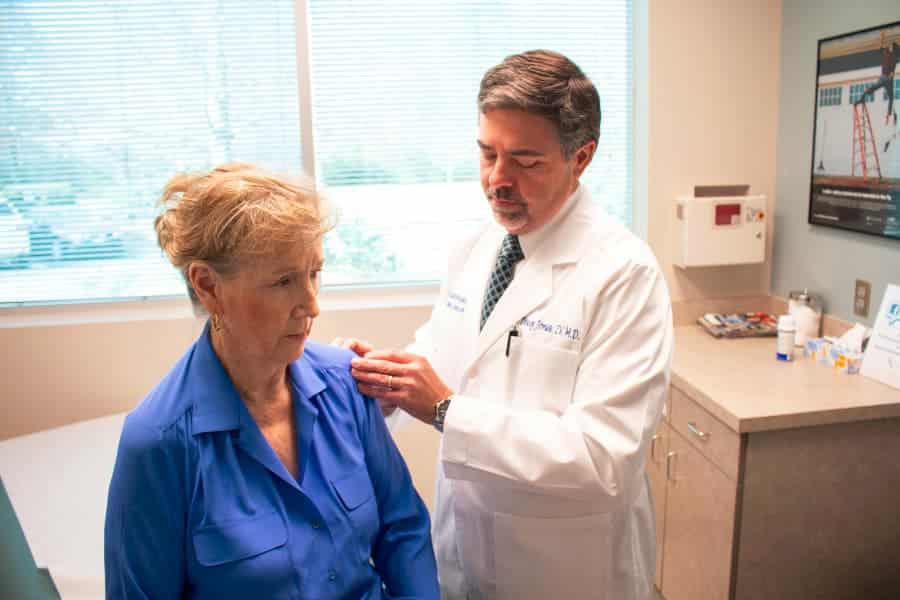
Dr. Dewey H. Jones examining patient’s shoulder
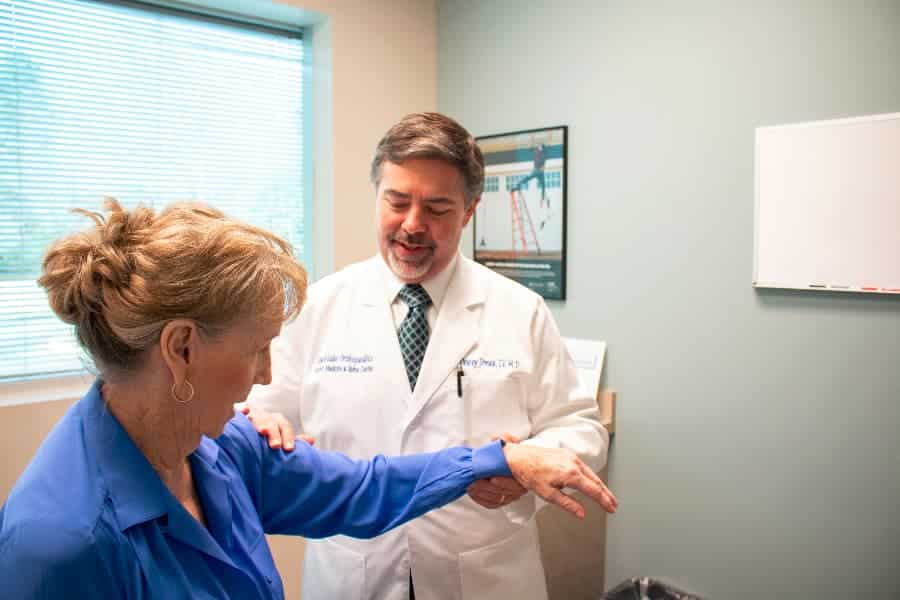
Dr. Dewey H. Jones testing patient’s shoulder

What Are Symptoms of Frozen Shoulder?

The symptoms of frozen shoulder develop slowly and get worse over time. Its progression is often described in stages:

  • Freezing stage: Any movement in the shoulder causes pain, and range of motion becomes increasingly limited. This stage lasts 2 to 9 months.
  • Frozen stage: Pain decreases, but the shoulder becomes stiffer and more difficult to use. This stage lasts 4 to 12 months.
  • Thawing stage: The shoulder’s mobility begins to gradually improve, and the pain continues to decrease. This stage lasts 5 to 24 months.
 

Frozen shoulder symptoms usually go away by themselves, although a full recovery can take several years. Medical treatment can help patients reduce pain, preserve mobility, and get back to normal faster than waiting for the normal disease progression to conclude.

What Causes Frozen Shoulder?

Frozen shoulder occurs when the capsule of ligaments surrounding the shoulder thickens. It isn’t clear why this happens in most patients, although physicians have identified several risk factors that can increase a person’s likelihood of developing frozen shoulder. The risk factors include:

  • Being older than 40
  • Being a woman
  • Long periods of shoulder immobility, usually related to injuries
  • An overactive or underactive thyroid
  • Diabetes
  • Cardiovascular disease
  • Parkinson’s disease
 

Shoulder immobility is an important risk factor for frozen shoulder. Patients who have experienced a shoulder injury, such as a rotator cuff tear, should speak with their physician about how to preserve their mobility. Range-of-motion exercises can help them keep the shoulder moving while recovering.

How Is Frozen Shoulder Diagnosed?

Frozen shoulder can usually be diagnosed with symptoms alone. The Southlake Orthopaedics physician starts with a physical examination. They ask the patient to move their arm in certain directions to check for pain and test their active range of motion. They may then ask the patient to relax their muscles while the physician manually moves the arm, testing its passive range of motion. Finally, they may check the patient’s medical history for risk factors, such as diabetes or a previous shoulder injury.

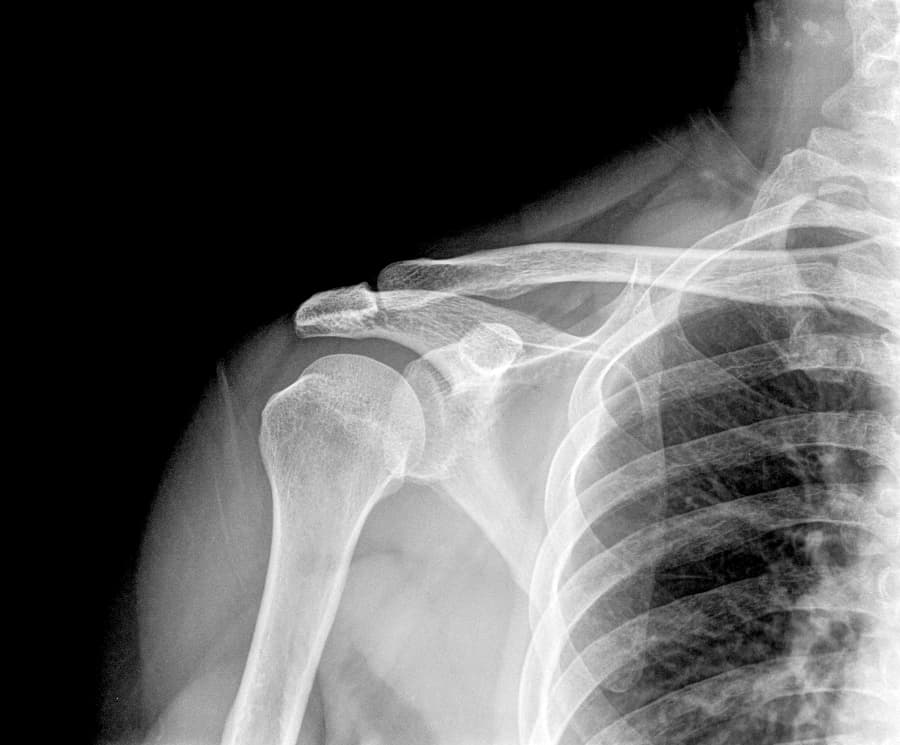
The physical exam is sometimes followed by medical imaging tests such as X-ray, ultrasound, or magnetic resonance imaging (MRI). While these tests aren’t necessary to diagnose frozen shoulder, they can help physicians rule out other possible conditions.

shoulder x-ray

How Is Frozen Shoulder Treated?

Treatments for frozen shoulder focus on controlling pain while preserving range of motion. The first goal may be accomplished with over-the-counter pain relief medications or, sometimes, with a prescription anti-inflammatory drug. Meanwhile, physical therapy uses range-of-motion exercises to keep the shoulder as mobile as possible. Corticosteroid injections may also be recommended. If administered early, injections can significantly reduce pain and improve shoulder movement.

Surgery is rarely required for frozen shoulder. If other treatments do not provide sufficient relief, a surgeon may release tight portions of the joint tissue to improve mobility. Surgical treatment can provide significant relief, but it requires a long recovery period, during which patients should keep moving the shoulder to prevent the condition from recurring.

Meet Our Team

Southlake Orthopaedics follows a comprehensive care philosophy, supporting patients at every stage from diagnosis through surgery and the end of rehabilitation. This multi-level approach is made possible by our diverse team of specialists. Meet our shoulder doctors below:

Find Treatment for Frozen Shoulder Near You in Hoover and Birmingham, Serving Central Alabama

If your everyday function has been impacted by frozen shoulder, do not hesitate to seek care. Southlake Orthopaedics helps patients get less pain, more living, with personalized surgical and non-surgical treatments. Our offices are in Hoover and Birmingham-Grandview, offering compassionate medical care to patients across central Alabama. Contact us today to learn more or to schedule an appointment with a sports medicine physician.

Frequently Asked Questions About Frozen Shoulder

What causes someone to develop a frozen shoulder?

Doctors are not always sure what causes frozen shoulder. Most cases may be related to long periods of immobility, often while recovering from a different shoulder injury or condition. Systemic conditions such as diabetes, hyperthyroidism, hypothyroidism, and heart disease may also increase a person’s risk of developing frozen shoulder.

Can frozen shoulder be prevented?

While frozen shoulder cannot always be prevented, patients can reduce their risk by keeping the shoulder mobile. After suffering a shoulder injury, regular participation in physical therapy will help rebuild strength while reducing the risk of frozen shoulder.

Can I recover completely from frozen shoulder?

Yes, most patients who develop a frozen shoulder will have a full recovery. The condition generally gets worse over the period of several months before it gets better. Medical treatment can help you manage your pain and preserve mobility until the frozen shoulder loosens. It can also help the shoulder thaw faster.

Do I need surgery for frozen shoulder?

Frozen shoulder treatment does not usually require surgery. Most patients will get good results from conservative care, such as pain relief medications, range-of-motion exercises, and injections. Frozen shoulder surgery is only considered when other treatments do not help. The procedure involves cutting through the tight parts of the tissue to restore normal mobility.

What is the outlook for frozen shoulder?

Left untreated, frozen shoulder will slowly get better by itself. Most patients are fully recovered after one to three years. Medical treatment can speed up recovery and support improvements in mobility and function during recovery.