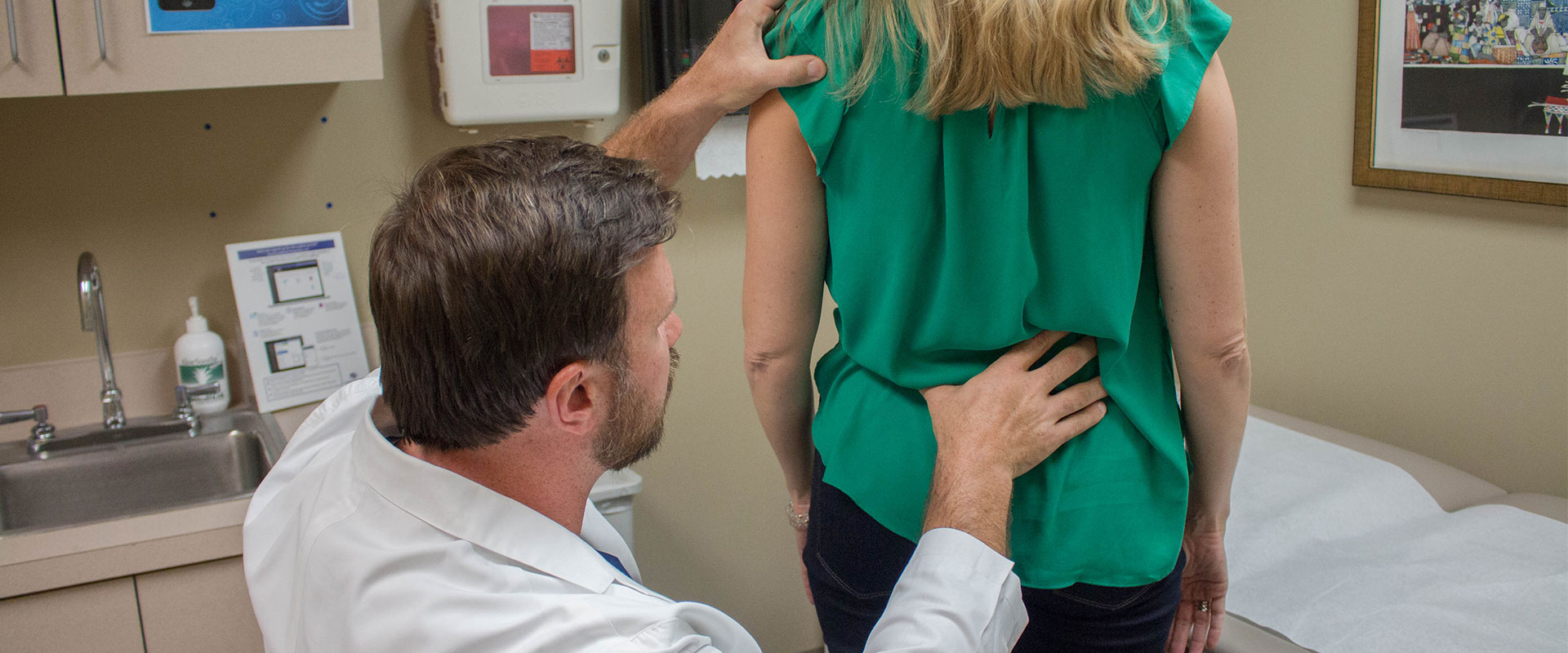
If you’re someone who relies on your physical strength and skills for work, such as a construction worker, manufacturer, or warehouse or logistics worker, you know manual labor can be demanding on your body. Much like a high-level athlete, manual labor requires strength, mobility, and endurance that many people don’t use as intensely in their daily lives.
At Southlake Orthopaedics, we understand these demands. With more than 30 years of experience treating musculoskeletal issues, our team can help you understand how to maintain your physical health while continuing to work hard and stay active throughout your career.
What Years of Physical Work Can Do to the Body
It’s no secret that manual labor can be hard on the body, and years of physically demanding work can affect your muscles, joints, and tendons as you age. While physical work may feel easy for a 21-year-old, it may not feel quite as easy at 55. Your body changes over time, and repeated movements and physical demands can contribute to musculoskeletal problems.
Common areas that can be affected include:
Joints
- Shoulders: Frequent overhead lifting can contribute to rotator cuff injuries and shoulder impingement.
- Elbows: Repetitive motions, such as lifting or twisting, can contribute to conditions like tennis elbow (lateral epicondylitis).
- Wrists: Tasks involving repetitive wrist movements can contribute to carpal tunnel syndrome and tendonitis.
- Knees: Prolonged kneeling or squatting can contribute to patellar tendonitis and bursitis.
Muscles
- Back: Heavy lifting and awkward postures can strain the lower back and contribute to pain.
- Neck: Repetitive movements can contribute to muscle tension and discomfort in the neck.
Tendons
- Achilles tendon: Repetitive strain from activities such as climbing or heavy lifting can contribute to Achilles tendinitis.
- Tendons in the hands and fingers: Repetitive gripping or pinching can contribute to tendonitis in the fingers and hands, affecting strength and dexterity.
Protecting Joint and Tendon Health
Strength, flexibility, mobility, proper movement, and recovery all matter as workers age. Maintaining muscle strength can help support your joints and make everyday physical activities easier. Strong muscles also help support and stabilize your joints, which may help reduce the risk of injury and support mobility during demanding work.
Even if you’re already tired from work, fitting in a few short strength-training and mobility sessions can help you stay strong and better prepared for the physical demands of your job. Choose exercises that are appropriate for your fitness level and, when possible, mimic some of the movements you use at work, such as squats, deadlifts, or overhead presses. Aim for 20- to 30-minute sessions and focus on exercises that work multiple muscle groups.
It’s also important to listen to your body. Adjust the intensity and amount of exercise based on your daily workload and fatigue level. If you’re overly fatigued, a lighter workout or an additional rest day may be a better choice.
Build Healthy Habits Before There’s a Problem
Regular strength and mobility workouts aren’t the only ways to support your long-term physical health. There are several other habits you can build into your routine before a musculoskeletal problem develops.
Warming up before demanding physical activity, allowing enough recovery time between physically demanding tasks, and using proper lifting and movement techniques on the job can help reduce strain on your body. It’s also important to pay attention to recurring pain, stiffness, weakness, or changes in mobility.
If symptoms persist or begin to interfere with your ability to work or perform everyday activities, getting medical guidance can help you understand what may be causing the problem and what treatment options may be available.
The Role Employers Can Play
Sustaining physical endurance over a 20- or 30-year career requires taking care of your body for the long term. When workplaces support employee wellness through practical education on body mechanics, ergonomic equipment, or dedicated time for warm-ups and stretching, those efforts can help reduce physical strain and support long-term musculoskeletal health.
Taking advantage of exercise resources can also help workers maintain the strength, joint stability, and mobility they need for physically demanding jobs.
Access to these proactive habits and resources can help you take an active role in your physical health, allowing you to perform your job safely today while supporting your ability to stay active for years to come.
How Southlake Can Help
At Southlake Orthopaedics, our sports medicine approach isn’t just for competitive athletes. It’s built for anyone who relies on their body to work, move, and keep up with daily life.
Maintaining physical health over a decades-long career requires proactive care, which is why our team focuses on early evaluation, tailored physical therapy, joint injections, and other nonsurgical treatment options before considering surgery, when appropriate.
Whether you’re managing a job-site strain through our Workers’ Compensation services, rebuilding strength after a repetitive-use injury, or looking for ways to protect your joints for the long term, Southlake Orthopaedics can help you understand your options and develop a plan to support your health and activity.
If you’re dealing with an injury related to your physically demanding job, schedule an appointment with Southlake Orthopaedics to learn more about your treatment options and take the next step toward getting back to work and the activities you enjoy.