Forearm Fracture

Understanding Arm Conditions and Available Treatments

Forearm Fracture Treatment Near You in Hoover and Birmingham, Serving Central Alabama

Forearm fractures are common in adults. This injury is very painful, and leaving it untreated may result in permanent deformity and a reduced range of motion. Appropriate medical care is required to help patients return to normal. Southlake Orthopaedics offers advanced orthopedics and sports medicine care at locations in Hoover and Birmingham-Grandview, Alabama. Our multi-specialty team helps patients recover so they can experience less pain, more living.

Key Takeaways

  • Forearm fractures are a break in one or both of the bones in the forearm. They usually are caused by falling onto an outstretched hand or by a strong blow directly to the arm.
  • Symptoms of a forearm fracture include intense pain, swelling, and bruising in the arm, visible deformity, and an inability to rotate the arm or hand.
  • Forearm fractures usually require surgery to stabilize the bones and make sure they are correctly aligned to heal successfully.
  • Southlake Orthopaedics treats forearm fractures and other sports injuries for patients across central Alabama, following a multi-specialty approach to care.

What Is a Forearm Fracture?

A forearm fracture is a break in a bone in the forearm. The forearm is made up of two bones: the radius and the ulna. They run parallel to each other and work together to allow the forearm to rotate, letting people turn the palm upward or downward. This arrangement enables everyday movements such as opening a jar, changing a light bulb, or turning a screwdriver.

Forearm fractures occur when either of these bones breaks. Usually, both bones break together. Less commonly, one bone may break while the other stays intact. The bones can crack slightly, snap in two, or shatter into many small pieces. The pieces may stay in place or move away from their normal positions. In some cases, a broken bone fragment may stick out through the skin. This is called an open fracture and requires immediate medical attention to prevent an infection.

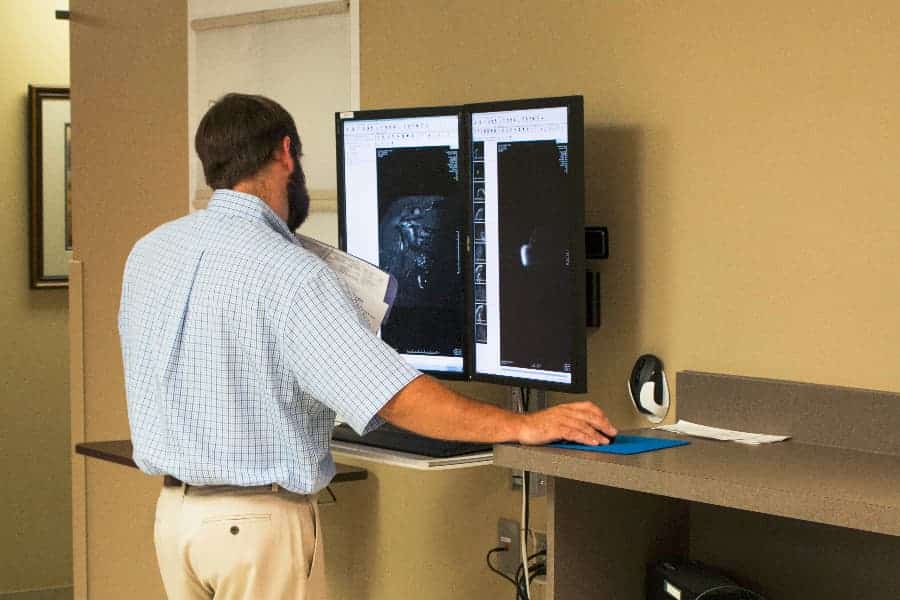
Dr. George Robert Booker examining X-ray imaging on computer

What Are the Symptoms of a Forearm Fracture?

A broken forearm usually occurs with a distinct popping, snapping, or grinding sensation. Immediately afterward, intense pain sets in. The arm often looks deformed, appearing bent and shorter than the other arm. Patients may have to support the arm with their uninjured hand. Other symptoms of a forearm fracture include:

  • Swelling
  • Bruising
  • Redness
  • An inability to rotate the hand
 

Rarely, a forearm fracture may also cause numbness or weakness in the wrist or fingers. These are signs that the broken bone has compressed or damaged a nerve. Patients who experience nerve symptoms should go to a hospital immediately. Prompt treatment is necessary to prevent permanent damage.

woman in moped accident

What Causes Forearm Fractures?

In young patients, forearm fractures are most commonly caused by a high-impact accident. The patient might fall on an outstretched arm during sports, when riding a bike, or when falling from a ladder. Automobile and motorcycle accidents are also frequent causes of fractures. If only one of the two forearm bones is broken, it is most likely due to a direct blow to the arm.

In older patients, forearm fractures are common because of underlying bone weakness from the aging process.

How Are Forearm Fractures Diagnosed?

Forearm fracture diagnosis begins with a physical examination. The physician asks about the patient’s symptoms and how they got injured, then examines the injured arm for swelling, tenderness, or visible changes in its shape. They palpate the arm to feel for other areas of tenderness and make sure that the hand is getting good blood flow. Finally, they ask the patient if they have feeling in their fingers. This helps assess whether the injury may have affected the nerves.

Next, the physician will order X-rays of the arm. X-rays use high-energy rays to create clear images of the inside of the body, especially bones. The images are used to locate the fracture, determine its extent, and visualize where various bone fragments have moved.

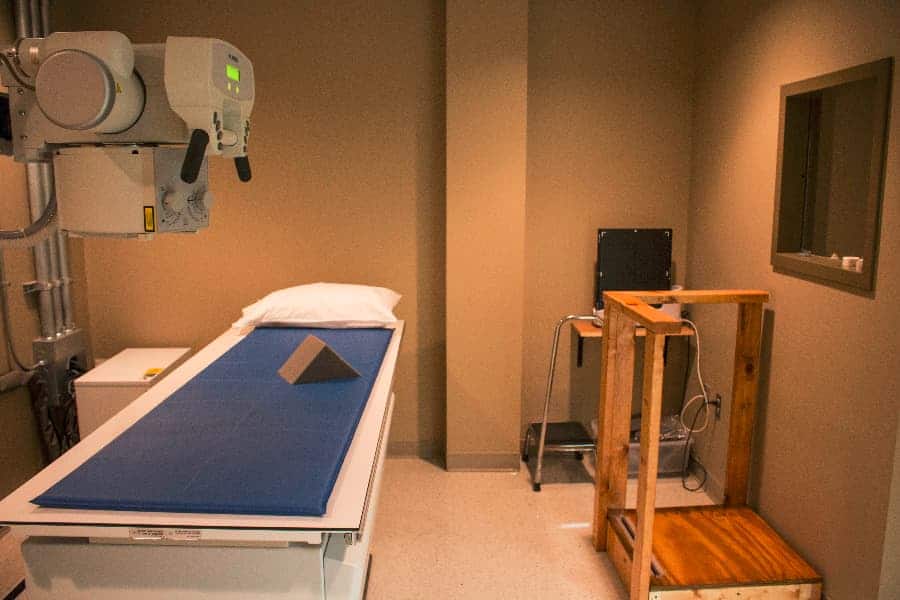
X-ray room at Hoover location
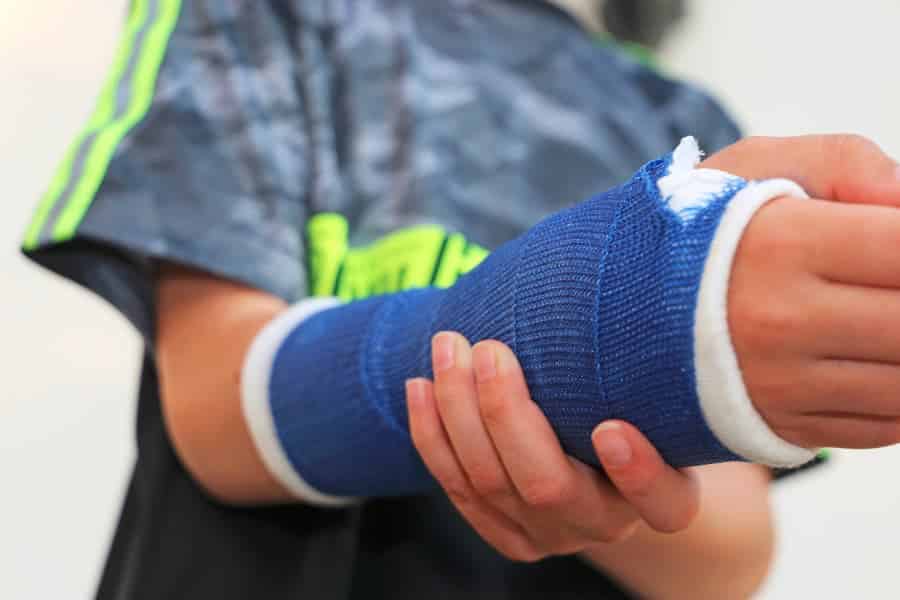
child in arm cast

How Are Forearm Fractures Treated?

If only one bone is broken, it may be possible to treat a forearm fracture conservatively with a cast or brace. However, most fractures affect both the ulna and radius together. Because these bones rely on each other, fractures that involve both bones usually don’t have enough support to heal correctly by themselves. Forearm fractures often require surgery to stabilize the bones and make sure they are properly aligned for correct healing.

Surgery for a forearm fracture begins with open reduction. The surgeon aligns the bones, returning each piece to its original location. They then affix the pieces together using metal plates and screws. The metal pieces support the bones and hold them in place, so the bones heal together correctly. The bones may take several months to fully heal.

Meet Our Team

The high level of care at Southlake Orthopaedics is made possible by our qualified medical team. Our experienced physicians who treat sports medicine injuries draw from multiple specialties to support patients through every stage of recovery, from diagnosis through the end of rehabilitation. Meet our arm doctors:

Get Treatment for Forearm Fractures Near You in Hoover and Birmingham, Serving Central Alabama

If you have recently suffered a broken forearm, get less pain, more living at Southlake Orthopaedics. Our multi-specialty team treats a wide range of sports injuries, including forearm fractures, to help patients get back to normal function. We are in Hoover and Birmingham-Grandview, providing quality care to patients across central Alabama. Contact us today to learn more or to schedule an appointment.

Frequently Asked Questions About Forearm Fractures

Do forearm fractures require surgery?

While not all forearm fractures require surgery, most of them do. Most forearm fractures involve both bones in the forearm. Because they rely on each other for support, if both bones are broken the forearm does not have enough support to heal by itself. Surgical treatment ensures that the bones are correctly aligned and stabilized, allowing them to heal without causing long-term deformity.

Will I need to wear a cast for a forearm fracture?

A cast or splint may be used as part of treatment for a forearm fracture, as it holds the bones firmly in place to prevent excessive motion while the arm heals. This ensures that the bones stay aligned, helping them heal quickly and in the correct positions. The cast usually stays on for two to six weeks.

How long does it take a forearm fracture to heal?

Bones repair themselves well if they are aligned properly. Most forearm fractures are completely healed in three to six months, depending on the severity of the fracture.

What are the normal outcomes from forearm fracture treatment?

Some stiffness is common after healing from a forearm fracture. This stiffness does not usually affect the arm’s overall function and mobility.

Will I need physical therapy after a forearm fracture?

Yes, many patients benefit from physical therapy after a fracture. Healing from a forearm fracture requires long periods of immobility. Afterward, the arm may be weakened, even if the bone has healed completely. Physical therapy helps patients get back to the strength and mobility they had before their injury.