Avascular Necrosis of the Hip

Understanding Hip Conditions and Available Treatments

Avascular Necrosis of the Hip Treatment Near You in Hoover and Birmingham, Serving Central Alabama

Bones require a constant blood supply to stay strong. When this supply decreases, bone tissue begins to break down. The resulting pain is known as avascular necrosis, which often happens in the hip. Patients who struggle with degenerative hip pain can get less pain, more living, at Southlake Orthopaedics. With locations in Hoover and Birmingham-Grandview, Alabama, we provide complete care for all orthopedic conditions near you in Alabama. Meet our team to get started with your care.
Key Takeaways

  • Avascular necrosis of the hip is the death of bone tissue due to a decreased blood supply. It causes increasing pain followed by a collapse of the bone.
  • Avascular necrosis may be caused by joint injuries, radiation treatment, long-term steroid usage, chronic excessive alcoholism, or fatty deposits in blood vessels.
  • Early-stage avascular necrosis can be treated with rest, medication, and physical therapy. Severe cases require surgery to strengthen or replace the bone.
  • Southlake Orthopaedics provides treatments for orthopedic conditions, including avascular necrosis of the hip, for patients in central Alabama.

What Is Avascular Necrosis of the Hip?

Avascular necrosis, also called osteonecrosis, of the hip is the slow death of bone tissue due to a decreased blood supply. The body relies on blood to deliver oxygen, fluids, and nutrients to its tissues. These essential building blocks keep organs alive. They also provide the materials to grow new cells and repair damaged tissue, helping the body bounce back after illness or injury.

When the blood supply is cut off, cells begin to die without being replaced, and the tissue starts to starve. Bones gradually become brittle and less able to support weight. Tiny cracks form through the damaged bone, caused by everyday stressors. Eventually, the bone may completely collapse. This process takes place over months or even years. Fortunately, if the disease is detected early, bone degeneration may slow, helping patients stay mobile longer.

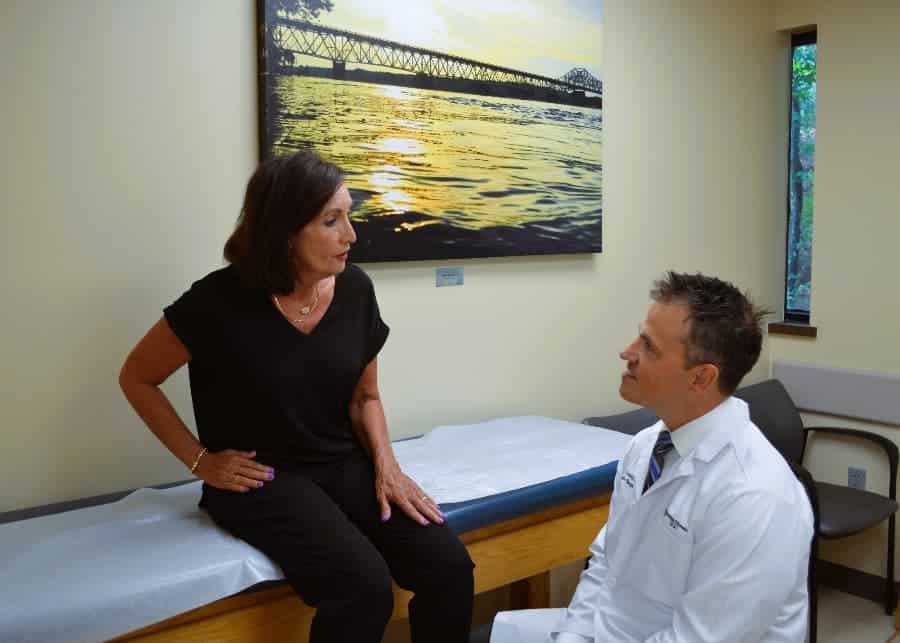
Dr. Ryan Cordry examining patient hip

What Are the Symptoms of Avascular Necrosis of the Hip?

Avascular necrosis of the hip is very difficult to detect in its early stages. At the start, most patients experience few to no symptoms. As the condition worsens, pain develops. It most often presents as a dull, aching sensation in the groin, thigh, or buttock. The pain is initially felt only when the hip is bearing weight, causing difficulty walking, standing, or bending the hip. Eventually, the patient begins to feel pain even when lying down.

What Are the Causes and Risk Factors of Avascular Necrosis of the Hip?

Avascular necrosis of the hip occurs when the blood supply to the hip is cut off. Without nourishment, the bone tissue in the joint gradually dies off. Physicians cannot always tell what caused the lack of blood supply. Contributing factors may include:

  • Joint injuries: A hip dislocation or fracture might damage the blood vessels surrounding the hip, impeding blood flow.
  • Cancer treatments: Radiation therapy can harm blood vessels. It may also weaken bones, accelerating the necrosis process.
  • High cholesterol: Fat or cholesterol deposits may block blood vessels, reducing the blood flow to bones and other tissues.
  • Steroid medications: Long-term use of corticosteroid medications, such as for asthma or rheumatoid arthritis treatment, has been linked to osteonecrosis.
  • Alcohol use: Chronic, excessive alcohol use can elevate cortisol levels, suppressing the immune system and causing avascular necrosis.
 

Anyone can develop avascular necrosis of the hip, but the condition is most common in people between the ages of 30 and 50. It is also more common in patients with certain conditions, including pancreatitis, Gaucher disease, HIV/AIDS, lupus, sickle cell anemia, and some types of cancer.

How Is Avascular Necrosis of the Hip Diagnosed?

Many health conditions are associated with joint pain, especially in the hip. The physicians at Southlake Orthopaedics follow a careful process to identify the cause correctly. The process begins with a physical examination to better understand the patient’s symptoms. The physical examination is followed up with imaging tests, including:

  • X-rays: Best for examining dense structures like bone, X-rays help determine whether the bone in the hip joint has collapsed.
  • Magnetic resonance imaging (MRI): These scans can reveal small cracks and early damage that won’t show on an X-ray.
 

These tests enable doctors to rule out potential causes of hip pain and arrive at the correct diagnosis. They also provide a clear understanding of how much the necrosis has progressed, helping them plan the most appropriate treatment.

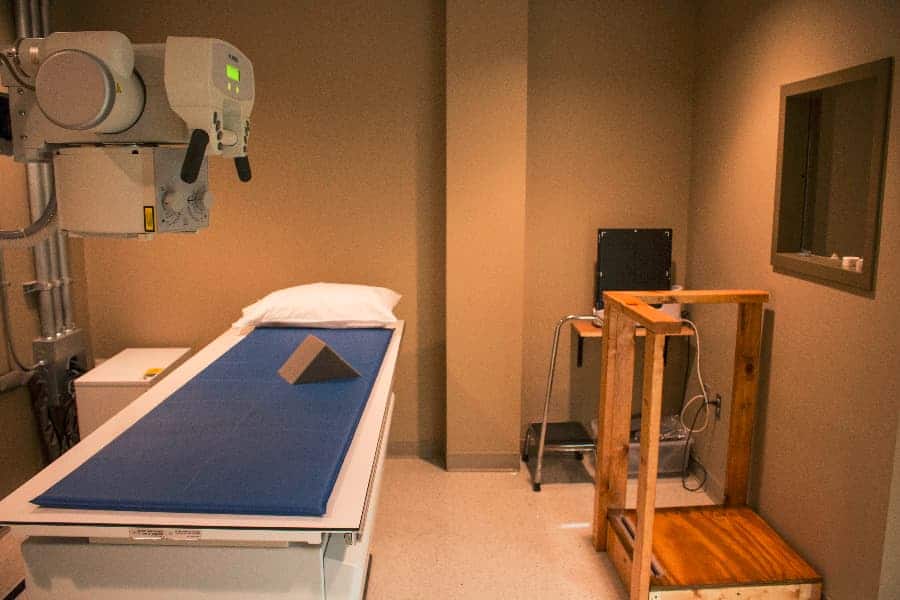
X-ray room at Hoover location

What Are the Treatment Options for Avascular Necrosis of the Hip?

In the early stages, avascular necrosis of the hip can be controlled with conservative care. Rest, activity modifications, and physical therapy prevent bone damage while improving the patient’s range of motion. In the meantime, medications help manage pain or improve blood circulation.

For many patients, however, avascular necrosis is not identified until it is already quite advanced. Severe avascular necrosis is treatable only with surgery. Treatment options may include:

  • Core decompression: By removing part of the bone’s inner layer, surgeons trigger the production of new blood vessels and bone tissue.
  • Bone transplant: A section of healthy bone is taken from elsewhere in the body and grafted to strengthen the hip joint.
  • Bone reshaping: A wedge of bone is removed from the affected joint to take weight off the damaged bone, slowing its degeneration.
  • Joint replacement: The damaged portion of bone is replaced with a plastic or metal implant.
 

Physicians consider the patient’s condition and treatment goals when choosing the right procedure. Total joint replacement is considered only when the femoral head has completely collapsed, rendering other approaches ineffective.

Meet Our Team

Care at Southlake Orthopaedics is provided by an experienced team of physicians who draw on multiple specialties to deliver comprehensive orthopedic care. Meet our hip doctors here:

Find Treatment for Avascular Necrosis of the Hip Near You in Alabama

Are you struggling with hip pain? Get less pain, more living, at Southlake Orthopaedics. We provide complete orthopedic care, supporting patients at every stage from diagnosis through rehabilitation. Contact us today to learn more about treatment options for avascular necrosis of the hip, or to schedule an appointment near you in Hoover or Birmingham-Grandview, AL.

Avascular Necrosis of the Hip FAQs

Anyone can develop avascular necrosis of the hip, but it is most common in people between the ages of 30 to 50. Other risk factors include:

  • Prior joint conditions
  • Prior radiation treatment
  • Heavy alcohol use
  • Long-term steroid medications
  • Medical conditions, such as Gaucher disease, HIV/AIDS, and sickle cell anemia
 

Do I need surgery for avascular necrosis of the hip?

Early-stage avascular necrosis can be slowed with conservative treatment. More advanced cases require surgery to restore normal hip function.

Do I need a total hip replacement for avascular necrosis of the hip?

When planning surgery, physicians carefully consider the patient’s condition and treatment goals before recommending a procedure. Core decompression and bone transplants are preferred to preserve the natural hip whenever possible. A total hip replacement is only recommended when the existing bone has completely collapsed and cannot be restored.

Can avascular necrosis of the hip be prevented?

Avascular necrosis of the hip is not preventable. You can, however, reduce your risk by maintaining a healthy weight and avoiding excessive alcohol use.

What do I do if I am experiencing hip pain?

If you are experiencing persistent, unexplained hip pain, contact an orthopedic specialist. Many health conditions can cause hip pain and get worse over time. Early detection and an accurate diagnosis are crucial to preserving your natural hip and avoiding major surgery.