Articular Cartilage Injury

Understanding Knee Conditions and Available Treatments

Articular Cartilage Injury Treatment Near You in Hoover and Birmingham, Serving Central Alabama

You rely on your knees to stand, walk, run, and jump. When a joint is used so frequently, injuries are common. Patients who have suffered an articular cartilage injury can find less pain, more living through treatment at Southlake Orthopaedics. We are a multi-specialty practice with locations in Hoover and Birmingham-Grandview, Alabama, where we provide complete care for all types of sports and orthopedic injuries. Learn more about articular cartilage injury treatment available near you in Alabama

Key Takeaways

  • Articular cartilage injuries refer to acute, overuse, or degenerative damage to the slippery tissue that covers the surface of bones in joints.
  • Symptoms of articular cartilage injuries include pain, swelling, stiffness, a locking or catching sensation, popping noises, and instability in the knee.
  • Treatment options include activity modifications, medication, injections, physical therapy, bracing, orthotics, and surgery.
  • Southlake Orthopaedics provides articular cartilage injury treatment near you in Alabama.

What Is an Articular Cartilage Injury?

Articular cartilage is a type of specialized connective tissue that covers the ends of bones in a joint. It is smooth, slippery, and somewhat flexible. These characteristics play several important roles in joint movement. Functions of articular cartilage include:

  • Absorbing shock: Articular cartilage acts as a cushion between joints, absorbing impacts to reduce the stress placed on bones.
  • Reducing friction: Cartilage’s slippery surface helps bones slide past each other without rubbing, letting joints move smoothly while reducing wear and tear.
  • Supporting joints: Articular cartilage creates firm yet flexible sockets that hold joints together, helping them keep their shape.
 

Articular cartilage tissue may be torn, blistered, or worn down depending on what caused the damage. Cartilage lacks a blood supply, so it does not heal well on its own. Medical treatment is often necessary to restore joint function after an injury.

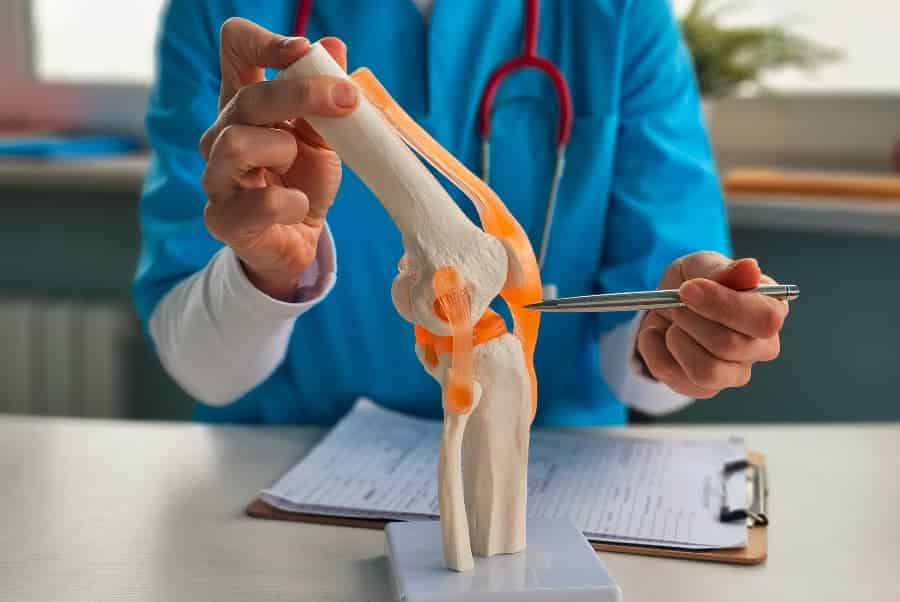
Physician points to cartilage on model of human knee

What Are Articular Cartilage Injury Symptoms?

When the articular cartilage is damaged, normal joint function is impeded. Patients experience a variety of symptoms that affect their everyday comfort and mobility, including:

  • Pain, especially during or after physical activity
  • Swelling or warmth
  • Stiffness
  • A locking or catching sensation
  • Grinding or popping noises
  • Reduced range of motion
  • Feeling as if the knee will give out
 

Symptoms may appear all at once after a sudden injury, or they may build slowly over time. Symptom severity also varies with the level of damage. Some patients experience only mild issues, while others are unable to put any weight on the affected leg.

What Are the Causes and Risk Factors of an Articular Cartilage Injury?

Articular cartilage injuries occur for a variety of reasons, affecting patients across all ages and activity levels. Most causes fall under one of the following categories:

  • Acute trauma: The cartilage was torn by a sudden impact or twisting motion, usually caused by a fall, sports accident, or vehicle crash.
  • Repetitive stress: The cartilage slowly accumulates damage during activities that apply frequent loads to the knee, such as running, jumping, or squatting.
  • Degenerative changes: The cartilage breaks down due to age-related wear and tear, sometimes accelerated by overuse.
 

Some health conditions make articular cartilage injuries more likely. If a person has experienced an anterior cruciate ligament (ACL) tear, for example, joint instability increases the likelihood of new injuries.

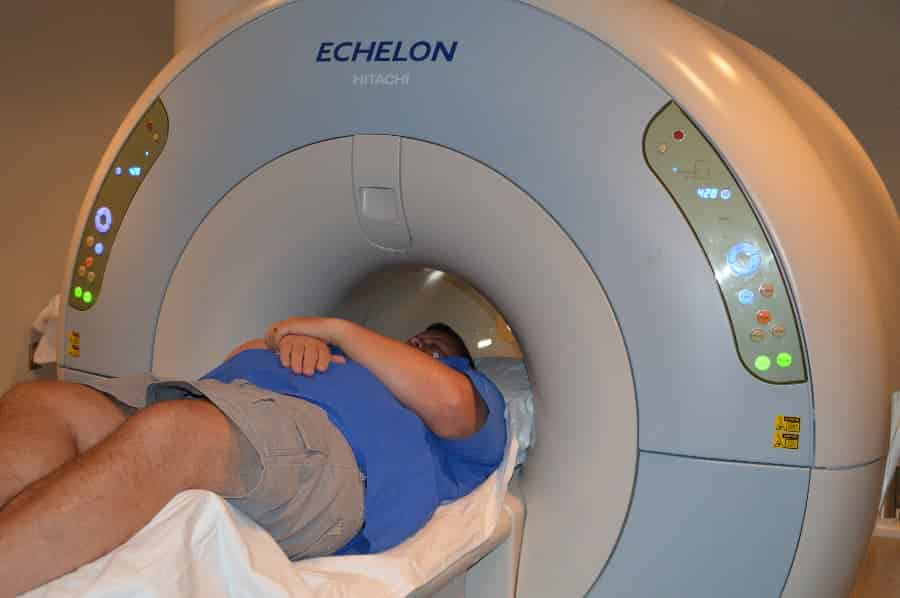
Patient inside an MRI machine at Hoover location

How Are Articular Cartilage Injuries Diagnosed?

Diagnosing an articular cartilage injury begins with a comprehensive physical examination. The physician evaluates the patient’s symptoms, tests the knee’s range of motion, and listens for clicking or popping sounds that may indicate loose cartilage.

The next phase of diagnosis is medical imaging. X-rays provide clear images of bones, letting the physician rule out a fracture. It may also reveal skeletal damage caused by the injury. Magnetic resonance imaging (MRI) scans are better for examining soft tissue. The results can confirm that the pain is caused by an articular cartilage injury, not an ACL tear or other type of connective tissue injury.

What Are the Treatment Options for Articular Cartilage Injuries?

Treatment depends on the severity of the articular cartilage injury. Small injuries often respond well to non-surgical methods such as:

  • Rest: Activity modifications protect the knee from further stress while it heals.
  • Medication: Prescription or over-the-counter medications help manage the pain.
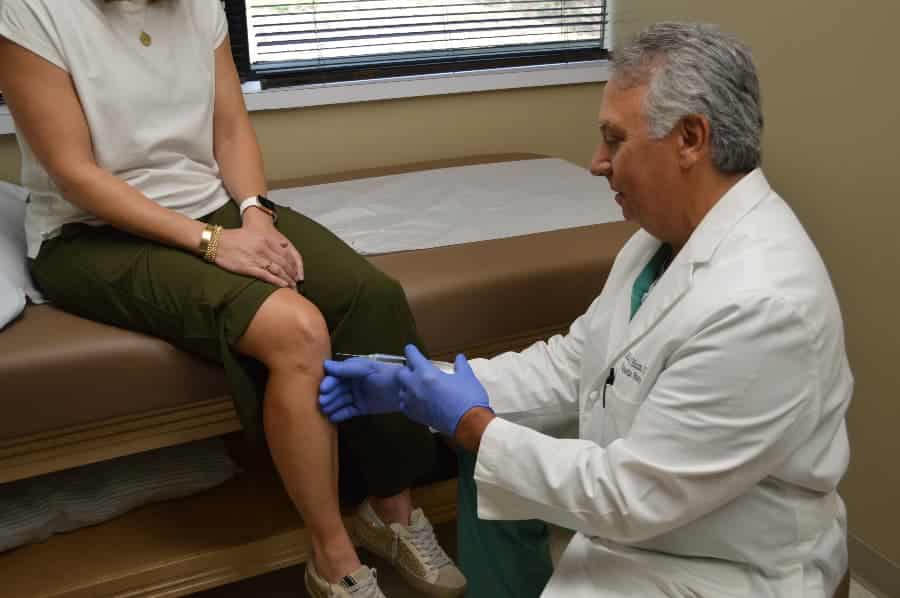
  • Injections: Orthobiologic injections promote rapid healing in damaged tissue.
  • Physical therapy: Stretches and gentle exercises rebuild strength and flexibility.
  • Orthotics: A knee splint or brace provides external support during recovery.
 

If conservative treatments are ineffective or if the injury is severe, surgery may be considered. The surgeon carefully removes damaged sections of cartilage to restore a smooth surface, helping the joint move without catching. Severe injuries may instead be treated with a graft. During this procedure, the surgeon transplants healthy cartilage from another site in the patient’s body.

Dr. Michael Blum giving patient knee injection

Meet Our Team

Southlake Orthopaedics is led by a multi-specialty team of physicians who provide complete orthopedic care. They work with patients at every stage of treatment, from diagnosis through surgery and rehabilitation, to help them find the relief they are looking for. Meet our team below:

Find Expert Treatment for Articular Cartilage Injuries Near You in Alabama

Have you recently experienced a sports accident or injury? Find less pain, more living at Southlake Orthopaedics. We provide comprehensive care for all types of sports medicine and orthopedic conditions, including articular cartilage injuries, at locations near you in Hoover or Birmingham-Grandview, AL. Contact us today to schedule a consultation.

FAQs About Articular Cartilage Injuries

Who is at risk of an articular cartilage injury?

Articular cartilage injuries affect people of all ages, demographics, and activity levels. Young, athletic individuals are most at risk of injuries caused by acute trauma or overuse. Older patients, meanwhile, are more likely to suffer injuries caused by degeneration.

Can I resume sports activities after an articular cartilage injury?

Recovering from an articular cartilage injury requires a long period of rest. After the injury has healed, however, you may be able to resume your pre-injury activities. Long-term outcomes are generally good for cartilage injury treatments, restoring enough joint function and stability to participate in high-demand sports safely.

Do I need surgery for an articular cartilage injury?

Whether your injury needs surgery depends on its severity and your recovery goals. Mild injuries do not usually need surgery, especially if they do not cause serious symptoms. If the damage is severe and you want to resume high-demand sports or activities, surgery may be necessary.

Can I get another articular cartilage injury after treatment?

Yes, articular cartilage injuries can recur after treatment. Once you have suffered an articular cartilage injury or other knee injury, your risk increases for another incident.

How can articular cartilage injuries be prevented?

Articular cartilage injuries are not always preventable. You can reduce your risk by taking preventive measures before sports, such as:

  • Wearing appropriate protective equipment
  • Warming up before physical activity
  • Cooling down and stretching after physical activity
  • Wearing the appropriate footwear
  • Strengthening your knees