Joint Replacement

Joint Replacement Surgery for Various Conditions

Joint Replacement Near You in Hoover and Birmingham, Serving Central Alabama

Living with serious joint pain is exhausting. When you’ve been managing joint pain for a long time, and you’re running out of treatments that help, joint replacement surgery may be the best option. Considering a joint replacement is a big step, because it’s a bigger commitment than a cortisone injection or a round of physical therapy. However, for many patients, surgery is often the best decision they can make.

Modern joint replacement is safer than it’s ever been, and most people who go through it wonder why they waited as long as they did. At Southlake Orthopaedics, our multi-specialty, board-certified orthopedists have helped patients in central Alabama experience less pain and more living. Learn more about joint replacement surgery at our locations near you in Hoover and Birmingham-Grandview, AL.
Key Takeaways

  • Joint replacement removes damaged joint surfaces and replaces them with artificial implants that let you move without pain.
  • The knee and hip are the most commonly replaced joints, but shoulders, ankles, and elbows can also be replaced.
  • Partial replacement is an option when only part of the joint is damaged. Total replacement is necessary when the entire joint is affected.
  • Southlake Orthopaedics offers joint replacement evaluation, surgery, and recovery support for patients across central Alabama.

What Is Joint Replacement?

Joint replacement, also called arthroplasty, is a surgery that removes the damaged or worn-out parts of a joint and replaces them with artificial components, often called implants. These implants mimic the natural movement of the joint while reducing your pain and improving function.

Over time, joints can be worn down due to arthritis, injury, or repeated stress. Cartilage, which cushions the joint, may break down, causing bones to rub against each other. This leads to pain, stiffness, and limited movement. Joint replacement addresses this problem by restoring a smooth surface.

Modern implants can last for 15 to 25 years or more, and the technology behind them keeps improving. Today, doctors can replace several joints in your body, including:


While today’s implants are more durable than ever, joint replacement is still a last resort. Most doctors don’t recommend surgery unless you’re dealing with end-stage arthritis, including osteoarthritis, rheumatoid arthritis, and post-traumatic arthritis.

Arthritis causes the cartilage that normally cushions your joints to degrade. Once that cartilage is gone, it doesn’t grow back. As a result, you may develop bone-on-bone contact that causes pain and stiffness that can’t be managed with medication or physical therapy alone. In those situations, replacement is often the best remaining option.

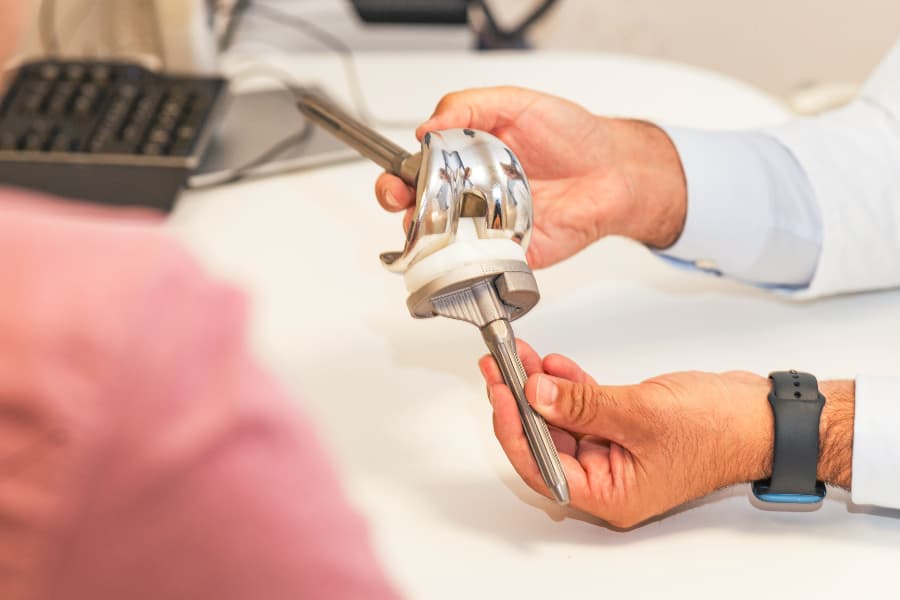
Doctor showing replacement knee joint to patient

How Do You Know If You Need a Joint Replacement?

Most people don’t wake up one morning and decide they need a joint replacement. Rather, it’s a slow realization that the list of things that you can’t do anymore is longer than the list of things you can.

Joint replacement is an elective surgery. The right time to have it is when you decide that it’s time. It may be time to consider joint replacement when your symptoms are significantly affecting your daily life. Many people try to manage joint pain for years with medication, activity changes, or physical therapy. While these can be effective for a time, there may come a point when they aren’t.

If several of the following statements describe where you are right now, you should talk to your doctor:

  • Pain that is present most days, including when you’re resting or trying to sleep
  • Stiffness that limits your range of motion
  • Difficulty with walking, climbing stairs, getting up out of a chair, or getting dressed
  • Giving up activities, hobbies, exercises, and social events because they’ll make the pain worse
  • A noticeable change in how your joint looks
  • Treatments like physical therapy, injections, and anti-inflammatory medications no longer help
 

When joint pain starts to dictate your routine instead of adapting to it, it’s a sign that you should consider surgery. A thorough examination can help determine whether joint replacement is the right next step for you.

How Do Doctors Decide You Need a Joint Replacement?

At Southlake Orthopaedics, we’ll have an honest conversation with you about your options and let you make the decisions. We never make a recommendation based on a single test or visit. Instead, we focus on your history, imaging, and past treatments to reach a conclusion. We start with an in-depth history and physical exam, where we’ll ask you the following questions:

  • How long has this pain been going on?
  • What makes the pain worse?
  • What treatments have you already tried?
  • How much is the pain affecting your daily life?
 

When deciding if you’d benefit from a joint replacement, your doctor wants to know whether the pain is limiting your daily activities enough to make surgery worthwhile. Additionally, the physical exam helps us assess how your joint moves, how strong it is, whether it’s stable, and how you walk or bear weight on it.

Then, we move on to imaging. Weight-bearing X-rays show how much of your joint has been damaged, whether there’s bone-on-bone contact, and how the joint is aligned. These findings help us determine the severity of your arthritis. We may also use a magnetic resonance imaging (MRI) scan to evaluate any soft tissue damage and assess bone quality before mapping out your joint replacement.

If you’ve tried conservative treatment in the past and your symptoms, physical exam, and imaging all indicate you’d benefit from a replacement, our team will make that recommendation. However, the ultimate decision lies with you.

What Are Joint Replacement Treatment Options?

Everybody is different, which is why joint replacements are a complex procedure. Your surgery is tailored to your specific condition, the joint involved, and your overall health. There are two main types of joint replacements: partial and total.

Partial Joint Replacement

A partial replacement only addresses the damaged section of the joint. It leaves the healthy bone, cartilage, and ligaments intact. It’s a smaller procedure and has a faster recovery time, and many patients say it feels more natural. However, it’s only effective if your arthritis is limited to one part of your joint.

Total Joint Replacement

If the damage is widespread, you’ll need a total replacement. During a total joint replacement, every part of your joint is resurfaced with a complete implant system. Your surgeon will recommend the best option for your condition and long-term goals.

What Should I Expect Before Joint Replacement?

Regardless of which procedure you have done, being prepared for your surgery is an important foundation for your recovery. Before your surgery, your care team will conduct a preoperative medical evaluation to make sure you’re fit for surgery and anesthesia. We’ll also provide you with specific instructions about whether you should continue your medications, if there are any pre-operative exercises you should be doing, and how to support your recovery at home.

What Does Recovery Look Like After Joint Replacement?

The goal of recovery is to restore your movement and rebuild your strength, so you can return to daily activities with less pain. One of the things that surprises most people about joint replacement surgery is how soon the recovery process starts.

For most joint replacements, we want our patients to be up and moving on the same day as surgery or the morning after. Moving the joint right away helps prevent blood clots, reduces stiffness, and speeds up your healing process, which is why you’ll often start physical therapy within a week or two. Therapy helps improve your range of motion, strengthen the muscles that support the joint, and rebuild your balance and coordination.

During the first few days after your surgery, it’s important to manage your pain. You may have swelling, soreness, or fatigue. These are normal. We’ll prescribe anti-inflammatory and pain medication if you need. However, you should also ice and elevate your joint to help reduce swelling.

Over the following week and months, many people notice steady improvement. Not only will you be moving better, but activities that once caused you pain won’t hurt anymore. Staying active is essential throughout your recovery. However, don’t overdo it. If an activity hurts, try it another day.

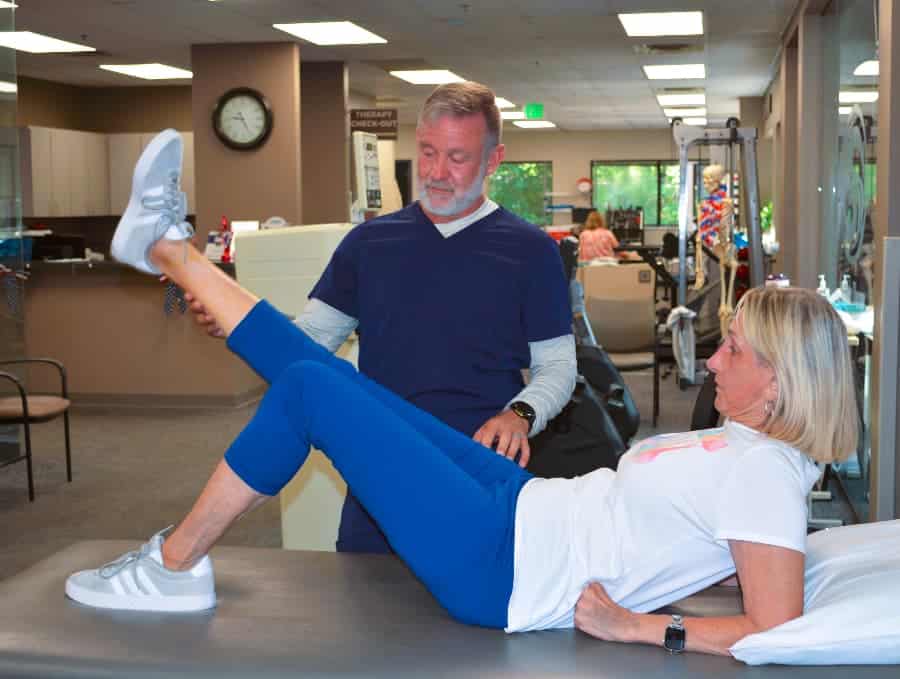
Southlake Orthopaedics Physical Therapist treating patient after knee joint replacement

Meet Our Team

Choosing where to receive joint replacement care is a major decision. At Southlake Orthopaedics, patient care is built around a combination of expertise and a patient-centered approach. Our team has extensive experience in joint replacement procedures, and we take the time to understand each patient’s goals. We take a collaborative approach to sports medicine, with orthopedists and surgeons working together to create a treatment plan that’s tailored to your needs. Meet our team here:


Our goal is to help you move forward with less pain and greater mobility, so you can live confidently.

Find Joint Replacement Near You in Alabama

Living with ongoing joint pain can make simple things feel like a challenge. With Southlake Orthopaedics, it doesn’t have to stay that way. When symptoms begin to limit your movement and affect your quality of life, our joint replacement experts can help you find relief. We are proud to serve patients in central Alabama and provide expert, personalized care from diagnosis through your recovery. Contact us today to schedule an appointment near you in Hoover or Birmingham-Grandview, AL.

Frequently Asked Questions About Joint Replacement

Am I too young for a joint replacement?

No, not if your joint is in bad shape. Your age matters less than your symptoms, your imaging, and what you want to be able to do.

How long do joint replacements last?

Most joint replacements last 15 to 20 years or longer. How long yours lasts depends on your activity level, the surgical technique, and how well you take care of it afterward. Staying at a healthy weight, avoiding high-impact activity, and keeping up with follow-up appointments will help.

How long will I be in the hospital for joint replacement?

Many patients can return home on the same day or within a few days.

When can I return to normal activities after joint replacement?

You can do light activities within a few weeks. However, it may take several months for you to feel 100% better.

Will I need physical therapy after joint replacement?

Yes. Physical therapy is an essential part of recovery. It helps restore your strength and flexibility.