
Chronic joint pain can make it difficult to enjoy life. The pain is present when you sleep, clean the house, or participate in your favorite hobbies, distracting you from everyday activities. Fortunately, persistent joint pain can be addressed. Southlake Orthopaedics provides complete orthopedic care near you in Hoover and Birmingham-Grandview, Alabama. Our multi-specialty team treats all forms of joint pain, including osteochondral lesions, to help you find less pain, more living.

An osteochondral injury refers to damage to the articular cartilage and the underlying bone in a joint. One common type is an osteochondral lesion, or a flaw in the cartilage or bone surface. Cartilage is a firm, smooth material that cushions and lubricates joints, enabling bones to move without rubbing against one another. An osteochondral lesion occurs when the cartilage becomes torn or crushed. In some cases, a cyst or fluid-filled sac can form as well. This damage creates a rough point or snag. The bones no longer glide smoothly, resulting in stiffness and pain every time the joint flexes.
Osteochondral lesions can occur anywhere in the body, but are most common in joints that take high amounts of stress. Common sites for osteochondral lesions include:
While some osteochondral injuries may get better by themselves, others require surgical intervention. Patients experiencing continued joint pain after an injury should seek medical treatment to ensure the best outcome for long-lasting well-being.
Osteochondral lesions typically appear as joint pain or stiffness, especially when it continues after treatment for an injury. Symptoms to look for include:
These symptoms are shared with many other joint conditions and injuries. If a person is experiencing joint pain that will not go away, it is important to seek a diagnosis from a licensed orthopedic physician. An accurate diagnosis is the first step toward treatment and relief.
Most osteochondral injuries are caused by trauma. An ankle sprain, extreme twisting of the knee, or hip dislocation may cause damage to the underlying cartilage or bone as well. This damage remains after the primary injury is healed, causing continued discomfort. If patients experience lasting pain after their initial injury has healed, it may be caused by an osteochondral injury or lesion.
Patients who participate in sports, especially those that involve making sharp cuts or sudden stops, are at higher risk of an osteochondral lesion. These movements put stress on the ankle, knee, and hip joints that may lead to injury. Improper preparation, equipment, or training can increase the likelihood that sports activities result in injury. In addition, some patients may be susceptible to osteochondral lesions due to abnormal bone growth.
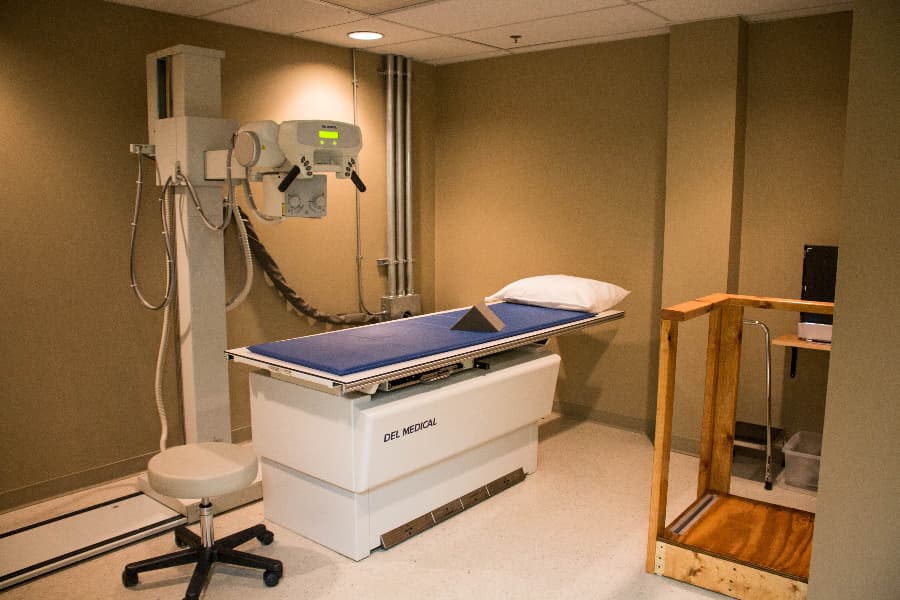
It can be challenging to diagnose an osteochondral lesion at the time of injury. Most scans focus on the larger sprain, strain, or fracture, missing the damage caused by the lesion. This is one reason lesions often persist after the primary injury is treated.
If a patient complains of continued pain after treatment, then the physician will perform a thorough physical examination. The patient’s medical history will be reviewed for injuries that might have caused a lesion. Medical imaging is also used to identify and locate the lesion. Small damage shows up poorly on X-rays, which provide clearer images of bone than of soft tissue like cartilage. For this reason, magnetic resonance imaging (MRI) scans are preferred for diagnosing osteochondral lesions.
The most appropriate treatment for an osteochondral lesion depends on its location and severity. Wearing a brace or orthotic can help reduce pain, while physical therapy can strengthen nearby muscles to improve joint stability. For most patients, however, surgery is the only way to achieve lasting relief.
The surgeon begins by removing the damaged cartilage. If the damage is minor, then the surgeon may drill into the bone at the site of the lesion. This causes a small amount of bleeding to encourage healing. For extensive damage, a bone graft may be inserted to replace the cartilage. A knee replacement or hip replacement may also be viable for older patients. However, joint implants have a limited lifespan before they risk failure, so this approach is not recommended for young individuals.
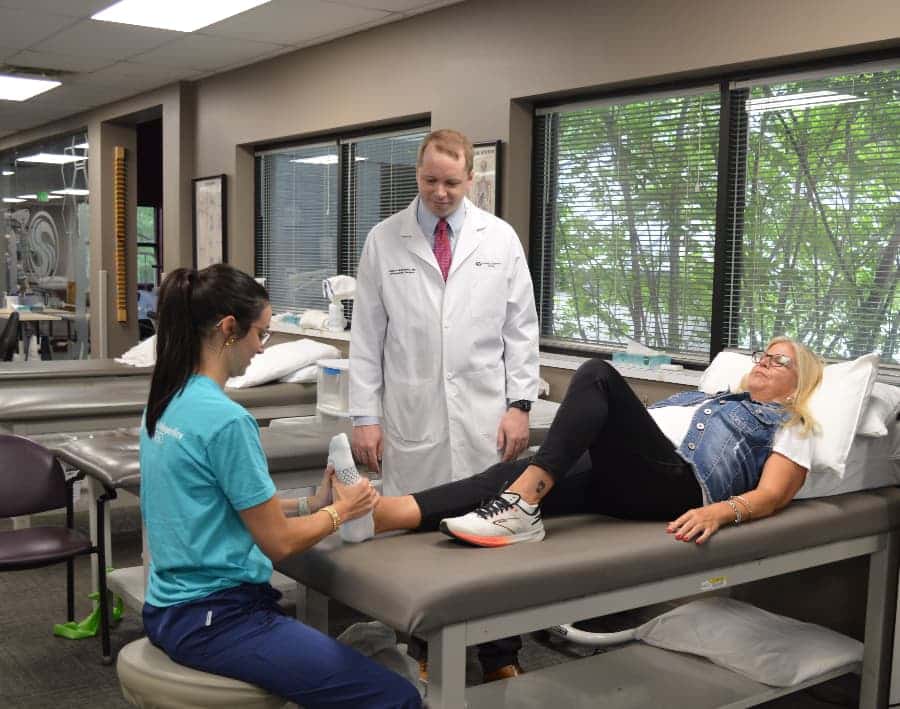
Southlake Orthopaedics delivers an exceptional level of care for all conditions, including osteochondral lesions and injuries. This level of care is made possible by our outstanding multi-specialty team. Meet our doctors below:
It can be discouraging to experience continued pain after an injury has been treated. If you or a loved one is struggling with pain caused by an osteochondral lesion, then relief can be found with treatment at Southlake Orthopaedics. Our multi-specialty team delivers comprehensive care at locations near you in Hoover and Birmingham-Grandview, reaching patients throughout central Alabama. Contact us to learn more or to schedule an appointment.